Beverage-Only Vending Machines: When and Why They Make Sense
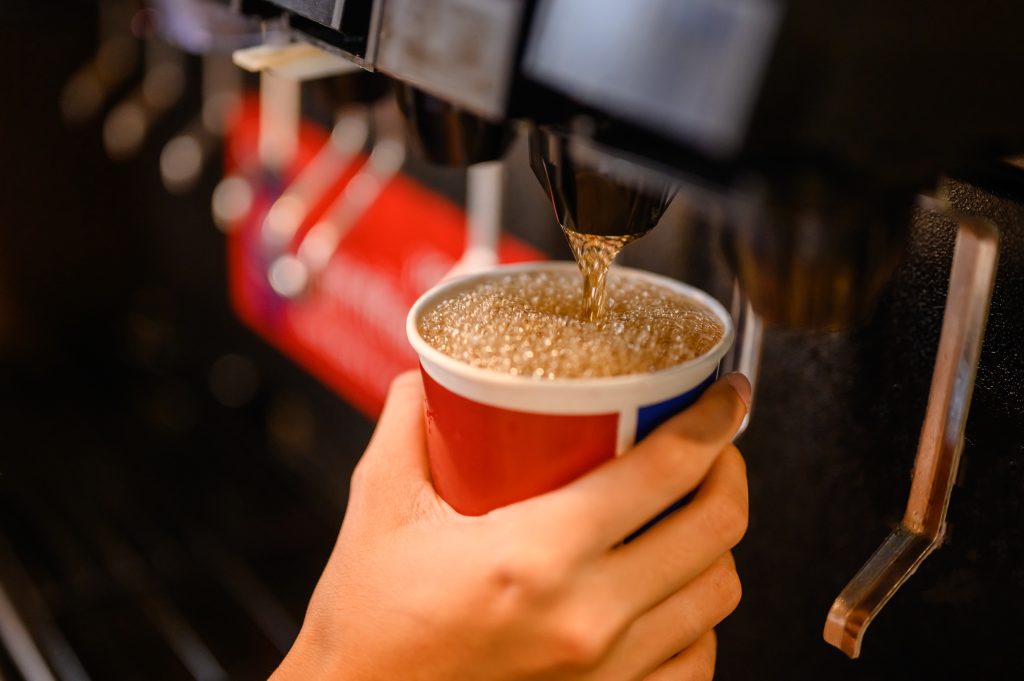
Most people picture fully-stocked combination vending machines when they think of workplace amenities—shelves of snacks on top, rows of beverages below. But beverage-only vending machines serve specific needs that combination units can’t address as effectively. For certain Central Florida businesses and locations, dedicated beverage vending represents the smarter, more profitable choice. Understanding when beverage-only machines make sense requires looking beyond conventional thinking about vending services. The right solution depends on your space constraints, employee needs, traffic patterns, and business type. Sometimes focusing exclusively on beverages creates better outcomes than trying to serve all needs with one machine. As a leading vending service provider, we help businesses determine the optimal vending configuration for their specific situations. Let’s explore when beverage-only vending makes sense and how to implement it successfully. When Beverage-Only Vending Makes Sense Several scenarios favor beverage-focused vending over combination or snack machines. Limited Physical Space Not every location has room for full-size combination vending machines. Standard units measure 72 inches tall and 38-40 inches wide, requiring significant floor space plus clearance for servicing and user access. Beverage-only machines come in slimmer configurations that fit spaces where combination units won’t. Narrow hallways, small breakrooms, and tight alcoves can accommodate beverage vending when full-size machines are impossible. For businesses in older Central Florida buildings with limited common areas, beverage-only vending provides amenities without space-consuming equipment. High Beverage Demand Locations Certain environments generate disproportionate beverage demand compared to snack consumption. Manufacturing and Warehouses: Workers in physically demanding jobs need constant hydration. They drink water, sports drinks, and energy beverages throughout shifts but consume fewer snacks during work hours. Beverage-only machines serve their primary need without wasting capacity on slower-moving snacks. Outdoor Work Sites: Construction sites, landscaping operations, and other outdoor work environments in Florida’s heat require serious hydration support. Workers prioritize cold drinks over snacks, making beverage-only vending the logical choice. Gyms and Fitness Centers: While we’ve discussed fitness vending previously, it’s worth noting that some facilities separate beverage vending from snack vending, placing beverage-focused machines directly in workout areas where hydration needs are immediate. Complementing Existing Food Services Businesses with cafeterias, kitchenettes, or nearby restaurants may not need snack vending but still want convenient beverage access. Office Buildings with Cafeterias: When employees have food options during meal periods, beverage vending fills the gap between meals and throughout the day without duplicating food availability. Hotels with Restaurants: Guest-facing beverage vending supplements restaurant services, providing quick access to cold drinks without full food vending. Schools with Meal Programs: Educational facilities serving breakfast and lunch still benefit from beverage vending between meals and after school hours. Strategic Multi-Machine Approaches Some businesses use multiple machines strategically—snack vending in breakrooms and beverage-only units in high-traffic areas. This approach puts beverages where consumption occurs (near work areas, along pathways, by entrances/exits) while keeping snacks in dedicated break spaces. It maximizes convenience and total sales by placing products where demand actually exists. Budget Constraints Beverage-only machines cost less to stock than combination units. For businesses on tight budgets or those testing whether vending will succeed, starting with beverages presents lower risk. If beverage vending proves successful, expanding to include snack machines becomes easier to justify financially. Advantages of Beverage-Only Vending Dedicated beverage machines offer specific benefits beyond just space efficiency. Greater Beverage Variety Combination machines dedicate roughly 40% of space to beverages. Beverage-only units allocate 100% of capacity to drinks, enabling much wider selection. Instead of eight beverage choices, you can offer 20-30 different options including multiple water brands, various sports drinks, several energy drink flavors, coffee beverages, teas, juices, and sodas. This variety satisfies diverse preferences that combination machines can’t accommodate. Better Temperature Control Beverage-only machines optimize refrigeration for liquids exclusively. They maintain more consistent temperatures than combination units managing both refrigerated and ambient products. In Florida’s climate where maintaining proper beverage temperature is crucial, dedicated refrigeration performs more reliably and efficiently. Higher Turnover Rates Beverages generally sell faster than snacks. Dedicated beverage machines require more frequent restocking but generate higher revenue per square foot of floor space. This faster turnover means fresher products, more engaged service from vending providers, and better return on the space investment. Simpler Maintenance Without snack delivery mechanisms that jam or complex product arrangements, beverage-only machines have fewer mechanical failure points. This translates to better uptime and fewer service calls. The simplified design also means faster restocking—providers can service beverage machines more quickly than combination units. Lower Spoilage Risk Beverages have longer shelf lives than many snacks. Reduced spoilage concerns mean less waste and fewer situations where expired products create negative impressions. Optimal Product Selection for Beverage-Only Machines With entire machines dedicated to beverages, thoughtful product selection becomes even more important. Water Options Stock multiple water choices—standard purified water, spring water, alkaline water, and flavored sparkling water. Water represents 20-30% of beverage vending sales in many locations, so variety matters. Offer different sizes too. Individual bottles for single servings and larger bottles (1-liter) for employees wanting more hydration or to refill throughout the day. Energy and Performance Drinks Include mainstream energy drinks (Red Bull, Monster) alongside fitness-focused options (Bang, Celsius, Reign). Zero-sugar varieties appeal to health-conscious consumers. Sports drinks like Gatorade and Powerade serve workers in physical jobs or fitness environments. Coffee and Tea Ready-to-drink coffee beverages capture the large coffee-drinking demographic. Cold brew, iced lattes, and bottled coffee options serve various preferences. Iced teas—both sweet and unsweetened—appeal to the significant tea-drinking population, particularly in the South. Juice and Healthier Options Orange juice, apple juice, and juice blends provide alternatives for employees avoiding caffeine or preferring fruit-based drinks. Coconut water, kombucha, and functional beverages appeal to health-conscious consumers seeking beneficial ingredients beyond basic hydration. Traditional Sodas Despite health trends, regular and diet sodas remain popular. Include major brands (Coca-Cola, Pepsi) and regional favorites. The key is balancing traditional sodas with healthier options rather than eliminating them entirely. Seasonal Adjustments Florida’s year-round warmth means cold beverages always sell, but seasonal preferences exist. Hot chocolate and warm apple cider sell during December holidays