Breakroom Refresh: Signs It’s Time to Upgrade Your Vending Services
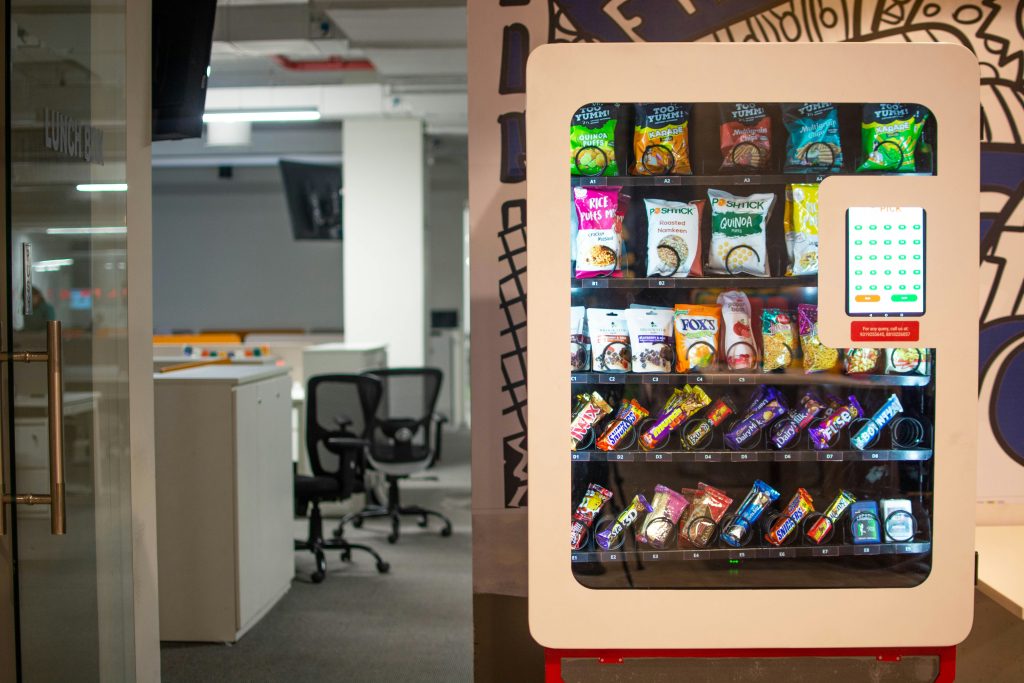
Your breakroom vending machines have been quietly serving employees for years. They’re familiar fixtures that blend into the background—until something goes wrong. But even when machines technically “work,” outdated equipment, poor service, or inadequate product selections can undermine employee satisfaction without triggering obvious alarm bells. Many Central Florida businesses stick with subpar vending services simply because they don’t realize better options exist or assume switching providers involves too much hassle. The truth? Upgrading vending services is straightforward, and the improvements to employee experience and workplace culture justify any transition effort. A&M Vending regularly help businesses recognize when their current vending situation has become a liability rather than an amenity. Let’s explore the clear signs indicating your breakroom needs a vending refresh. Frequent Equipment Breakdowns The most obvious sign that vending services need upgrading is constant equipment problems. If you find yourself regularly reporting broken machines, jammed dispensers, or malfunctioning payment systems, your equipment has reached end-of-life or your provider isn’t maintaining it properly. Occasional issues are normal—machines are mechanical devices that experience wear. But when the same machines break repeatedly, when repairs take days or weeks, or when “fixed” problems resurface immediately, you’re dealing with systemic equipment failure. Employees notice unreliable vending. Each breakdown erodes their confidence in workplace amenities and creates frustration that reflects poorly on management. Modern vending machines should operate reliably for months between service calls, not break down weekly. Outdated Payment Technology Walk up to your vending machine. Can you pay with a credit card? Can you tap your phone to pay? Or are employees still fumbling for cash and coins? Cash-only vending feels archaic in 2026. Employees carry less cash than ever, and forcing them to find bills and coins creates unnecessary barriers to using vending services. When someone wants a snack but lacks cash, they either go without (bad for satisfaction) or leave the building to find food elsewhere (bad for productivity). Modern cashless payment systems accept cards and mobile wallets, process transactions in seconds, and eliminate the frustration of rejected bills or insufficient change. If your machines lack these capabilities, you’re providing 2010 technology in a 2026 workplace. Limited or Stale Product Selection Open your vending machine and honestly assess the selection. Are products fresh and appealing? Do you see variety that serves different dietary preferences? Or do you see the same tired brands that have been there for years, possibly with dust on packaging? Employee preferences evolve. Health-conscious options, plant-based snacks, zero-sugar beverages, and functional foods have become mainstream. If your vending still offers primarily traditional chips, candy, and sugary sodas, it’s out of touch with what modern employees want. Product staleness is another red flag. Items sitting unsold for weeks or months indicate poor selection management. Fresh inventory rotates regularly based on actual consumption patterns, not provider convenience. Inconsistent Restocking How often are popular items sold out? Do employees check machines only to find empty slots where their preferred snacks should be? Does restocking happen on predictable schedules that match your facility’s usage patterns? Inconsistent restocking creates employee frustration. They can’t rely on vending when products are frequently unavailable. This unreliability defeats the purpose of having on-site vending—convenience disappears when employees can’t count on finding what they need. Poor Communication and Service Response When you report vending machine problems, how quickly does your provider respond? Do you get clear communication about when issues will be resolved? Or do your calls go to voicemail, your emails get ignored, and days pass without updates? Service quality matters as much as equipment quality. Providers who don’t prioritize your concerns, who make promises they don’t keep, or who treat your business as low-priority create ongoing headaches for facility managers. You deserve a provider who responds promptly, communicates proactively, and treats your vending program as a valued partnership rather than an obligation. Uncompetitive Pricing Survey employees about vending machine prices. Do they feel prices are reasonable? Or do they complain that on-site vending costs more than nearby convenience stores? While some convenience premium is understandable, excessive pricing drives employees away from using vending services. If a candy bar costs $2.50 in your machine but $1.50 at the store down the street, employees will choose the store despite the inconvenience. Competitive pricing demonstrates that your provider balances profit with customer satisfaction. Gouging captive audiences with high prices damages goodwill and reduces usage. Lack of Modern Features Modern vending offers features that older machines can’t match. Real-time inventory visibility, remote monitoring that prevents breakdowns, energy-efficient operation reducing electricity costs, and touchscreen interfaces showing nutritional information represent current industry standards. If your machines lack these capabilities, you’re missing benefits that improve user experience and operational efficiency. Upgrading to modern equipment often pays for itself through reduced energy costs and increased usage. Employee Complaints and Low Usage The most telling sign that vending needs upgrading is employee feedback. Are you hearing complaints? Do employees regularly express dissatisfaction with vending options, prices, or reliability? Do usage rates seem low relative to your employee count? Employee complaints shouldn’t be dismissed as griping. They’re valuable signals that your vending program isn’t meeting needs. Low usage indicates employees have lost confidence in vending and seek alternatives elsewhere. Contract Lock-In with Poor Service Some businesses recognize their vending service is subpar but feel trapped by contract terms. Long agreements with harsh early termination penalties keep them stuck with inadequate providers. While contracts must be honored, understanding your termination options is worthwhile. Some agreements allow termination for cause when service standards aren’t met. Others become more flexible as you approach contract end dates. The Benefits of Upgrading Refreshing your vending services delivers measurable improvements. Modern equipment operates more reliably with fewer breakdowns. Cashless payment increases usage and employee satisfaction. Better product selection serves diverse preferences and dietary needs. Competitive pricing shows you value employees. Responsive service means problems get resolved quickly, and data-driven inventory management keeps popular items in stock while eliminating waste. These improvements contribute to workplace culture, employee retention, and overall satisfaction with
Back-to-School Vending: Preparing Your Campus for Student Returns
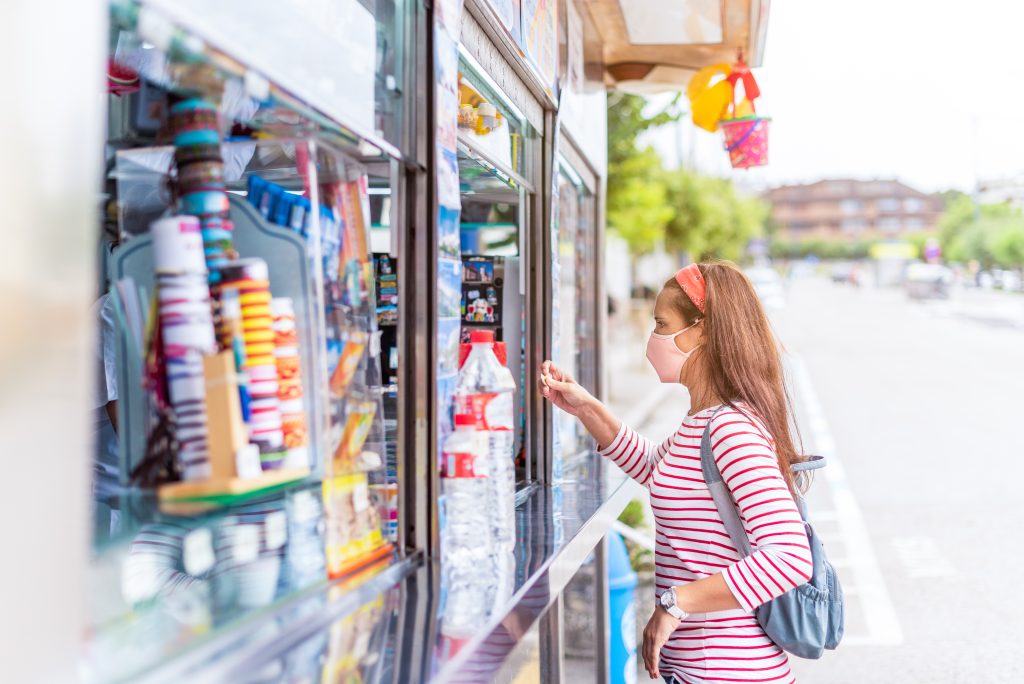
The back-to-school season represents one of the most dramatic demand shifts in the vending industry. Campuses that sat relatively quiet during summer break suddenly surge with activity as students return. Your vending program needs to be ready for this influx—because nothing frustrates students more than empty machines, limited selections, or broken equipment during those first crucial weeks. For Central Florida educational institutions from universities to K-12 schools, successful back-to-school vending preparation requires strategic planning, inventory adjustments, and service coordination. Understanding Campus Demand Patterns Educational facilities experience unique usage patterns. Student return creates immediate, dramatic increases in vending usage. Machines that served minimal summer traffic suddenly face hundreds of daily transactions. Inventory that lasted weeks during summer depletes in days once students arrive. Vending usage correlates directly with class schedules. Breaks between classes create usage spikes as students grab quick snacks. Lunch periods generate concentrated demand for substantial options. Evening hours serve students in night classes or studying late. Beyond the initial surge, campus vending experiences seasonal patterns. Exam periods increase energy drink and coffee consumption as students study intensively. Holiday breaks require reduced service. Spring semester returns trigger another smaller surge. Pre-Season Equipment Preparation Before students return, comprehensive equipment inspection prevents problems during high-demand periods. Summer provides opportunities for thorough machine cleaning—exterior surfaces, glass panels, payment systems, and product dispensing mechanisms should be cleaned, sanitized, and polished. Students notice machine appearance, and clean equipment creates positive impressions. Test all machine functions including payment acceptance, product dispensing, refrigeration systems, and touchscreen interfaces. Identify and repair any issues before demand surges. The last thing you want is discovering broken machines when lines of hungry students are waiting. Modern campus vending machines run sophisticated software managing payments, inventory, and user interfaces. Ensure all systems are updated, security patches are applied, and any bugs affecting user experience are resolved. Evaluate whether current machine capacity meets anticipated demand. High-traffic locations might need additional machines or larger capacity units to prevent constant stockouts. Strategic Product Selection for Students Student preferences differ significantly from typical workplace vending demographics. Budget-Friendly Options: Students operate on tight budgets. Stock affordable options alongside premium products. Single-serving packages at lower price points sell better than bulk items requiring larger upfront spending. Study Fuel Essentials: Students need products supporting long study sessions and late-night cramming. Energy drinks, coffee beverages, protein bars, nuts, and sustained-energy snacks serve students preparing for exams and completing assignments. Quick Meal Solutions: Many students skip proper meals due to schedule constraints or limited cooking facilities. Substantial options like protein bars, meal replacement drinks, sandwiches, and microwaveable items serve as quick meal substitutes. Dietary Diversity: Today’s student populations include many with dietary restrictions. Vegan options, gluten-free snacks, low-sugar beverages, and allergen-friendly products ensure all students find suitable choices. Clearly label products with dietary information. Trending Products: Students follow food and beverage trends closely. Stay current with popular brands, viral snack items, and emerging beverage categories. What’s trendy on social media often translates to vending sales on campus. Optimizing Machine Placement Where vending machines are located significantly impacts student usage and satisfaction. Place machines in main academic buildings where students spend most of their time—lobbies near lecture halls, study areas, and building entrances capture students between classes. Accessibility matters; students shouldn’t need to walk significant distances for vending access. Residential students need convenient access near living quarters. Common areas, study lounges, and floor-level locations serve students without requiring them to leave buildings, particularly valuable for late-night access. Library vending provides necessary sustenance without students losing study spots. Quiet machine operation becomes important in these academic environments—loud compressors disrupt studying. Fitness centers and athletic facilities require specialized product selections emphasizing hydration, protein, and recovery nutrition for active students. Unlike workplace vending operating during business hours, campus vending should provide round-the-clock access. Students study, socialize, and need refreshments at all hours. Service Scheduling for Peak Demand The initial weeks of each semester require more frequent restocking than typical periods. Some high-traffic machines may need daily service to maintain inventory during peak demand. Work with your vending service provider to establish augmented service schedules for these critical periods, then adjust as consumption patterns normalize. Schedule restocking immediately before predictable high-usage periods—before major exam weeks, after holiday breaks, and before special campus events. Despite planning, unexpected demand spikes occur. Your provider should offer flexible response for emergency restocking when machines deplete faster than anticipated. Payment Technology for Students Modern students expect convenient payment options. While some carry cash, most prefer card and mobile payment options. Ensure all machines accept credit cards, debit cards, and mobile wallets. Many educational institutions use campus ID cards for various purposes. When possible, integrate vending payment with existing campus card systems, allowing students to use meal plan funds or campus dollars for vending purchases. This integration creates seamless experiences and often increases usage. Some advanced vending systems offer mobile apps allowing students to browse inventory, locate machines with desired products, and even pre-order items for pickup. Communication and Marketing During student orientation and welcome activities, promote vending locations, payment options, and special features. Include vending information in student welcome packets and campus apps. Students live on social media. Use campus social channels to announce new vending locations, highlight popular products, and share special promotions. Provide easy ways for students to request products, report problems, or share suggestions. QR codes on machines linking to feedback forms make communication simple. Sustainability Considerations Environmental consciousness runs high among today’s students. Stock products with eco-friendly packaging, offer recycling bins adjacent to vending machines, highlight sustainable practices, and consider reusable container programs where feasible. Frequently Asked Questions How many vending machines does a typical campus need? General guidelines suggest one machine per 150-200 students for adequate coverage, with higher ratios for commuter campuses. Multiple smaller machines distributed across campus often work better than fewer large centralized locations. Should campus vending prices be lower than regular retail? Campus vending should offer competitive pricing that students find reasonable. While slight convenience premiums are acceptable, excessive pricing
Temperature Control Technology: Keeping Products Fresh in Florida’s Heat
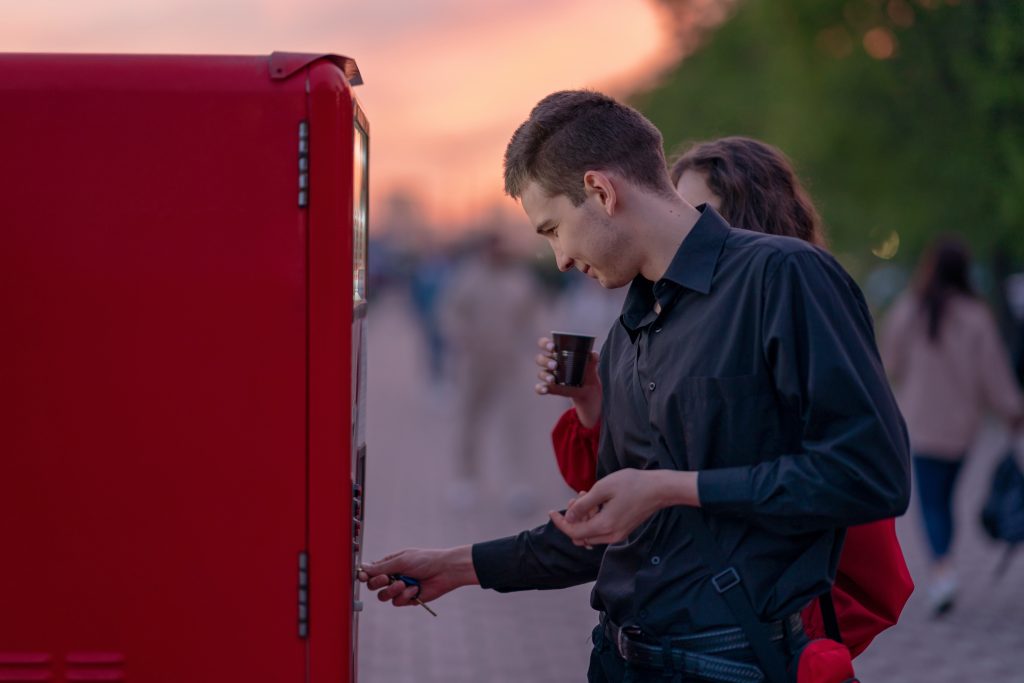
Florida’s subtropical climate creates unique challenges for vending machine operations. When outdoor temperatures regularly exceed 95°F with humidity making it feel like 110°F, keeping beverages cold and perishable items fresh requires sophisticated temperature control technology. A vending machine that performs adequately in cooler climates might struggle to maintain proper temperatures in Orlando’s summer heat. For Central Florida businesses, understanding temperature control isn’t just technical curiosity—it directly impacts product quality, food safety, employee satisfaction, and vending success. Warm sodas, spoiled sandwiches, and melted chocolate bars create terrible user experiences that damage your workplace amenity reputation. Temperature control separates reliable vending operations from problematic ones in Florida’s demanding climate. Let’s explore how modern technology keeps products fresh despite the heat. Why Temperature Control Matters in Florida Florida’s climate makes temperature management more critical than in moderate climates. While northern states run vending machine refrigeration seasonally, Florida requires year-round cooling. Machines never get rest periods when ambient temperatures drop, creating constant stress on components and increased energy consumption. High humidity affects machines beyond just temperature. Moisture infiltration can damage electronic components, cause condensation issues, and promote mold growth. Temperature control systems must account for humidity, not just heat. Product safety is paramount. Perishable items like sandwiches, salads, dairy products, and certain beverages require temperatures below 41°F to prevent bacterial growth. In Florida’s heat, maintaining these temperatures demands robust refrigeration that can handle extreme conditions. Modern Refrigeration Technology Today’s vending machines incorporate advanced cooling technology designed specifically for challenging climates. High-Efficiency Compressors: Modern compressors use variable speed technology that adjusts cooling output based on demand. Rather than running full-power constantly or cycling on/off wastefully, variable speed compressors operate at optimal levels for current conditions. This reduces energy consumption by 30-40% compared to older fixed-speed compressors while maintaining more consistent temperatures. Enhanced Insulation: Advanced insulation materials and improved cabinet construction minimize heat transfer into refrigerated compartments. Multi-layer insulation, thermal breaks in metal construction, and tight door seals prevent warm air infiltration. Better insulation means cooling systems work less to maintain temperatures, improving efficiency and reliability. Multiple Temperature Zones: Sophisticated machines feature separate temperature zones for different product types. Beverages might be held at 38°F, frozen items at 0°F, and ambient snacks need no cooling. Independent zone control prevents over-cooling products that don’t need it while ensuring temperature-sensitive items stay properly chilled. Smart Temperature Management: IoT-enabled machines monitor temperatures constantly and adjust cooling proactively. Remote monitoring alerts operators to temperature issues immediately, allowing intervention before spoilage occurs. Placement Considerations for Florida Climate Where machines are located dramatically affects temperature control challenges. Climate-controlled offices provide ideal environments where ambient temperatures around 72°F mean refrigeration systems work minimally. These controlled environments also protect electronic components from heat stress and extend equipment lifespan. Many Florida warehouses aren’t fully air-conditioned, with summer temperatures inside reaching 85-95°F. Machines in these environments need industrial-grade refrigeration rated for high ambient temperature operation. Standard equipment will struggle or fail in these conditions. Some locations require machines in covered outdoor spaces—hotel pool areas, outdoor break zones, covered patios. These placements face the most extreme conditions and need specialized outdoor-rated equipment with weatherproof construction and heavy-duty cooling systems. Never place vending machines in direct sunlight. Even climate-controlled buildings with windows allowing sun exposure create hot spots that overwhelm refrigeration. Product-Specific Temperature Requirements Different products need different storage conditions for optimal quality and safety. Cold Beverages (38-42°F): Sodas, water, sports drinks, and juices taste best served cold. Consistent refrigeration ensures beverages dispense pleasantly cold even in peak summer. Dairy and Protein Drinks (35-40°F): Milk-based products, protein shakes, and yogurt drinks require colder temperatures for both quality and safety. These perishables develop off-flavors and potentially harmful bacteria if temperatures rise above safe ranges. Fresh Food Items (34-38°F): Sandwiches, salads, and fresh meals need the coldest refrigerated temperatures while staying above freezing. Precision temperature control becomes essential for machines offering fresh food. Frozen Products (0°F or below): Ice cream and frozen meals require separate freezer compartments with dedicated cooling systems maintaining these temperatures independently. Chocolate and Candy (60-70°F): While not refrigerated, chocolate melts or develops bloom above 75°F. Climate-controlled ambient storage protects these items. Energy Efficiency in Hot Climates Running refrigeration constantly in Florida’s heat consumes significant electricity, but modern technology minimizes costs. LED lighting produces minimal heat while using 75% less energy than older incandescent bulbs. This reduces both cooling load and direct energy consumption. Insulated glass doors use multi-pane construction that reduces heat transfer while maintaining product visibility. Some advanced machines use low-emissivity coatings that reflect heat while allowing light transmission. Smart machines detect low-traffic periods overnight and reduce cooling intensity when products aren’t being accessed frequently. Systems return to full cooling capacity before peak usage times resume. Clean condenser coils, properly functioning fans, and well-maintained seals ensure cooling systems operate efficiently. Professional vending service agreements include preventive maintenance addressing these efficiency factors. Monitoring and Alert Systems Modern temperature monitoring prevents problems before products spoil. IoT systems continuously monitor internal temperatures, logging data that proves consistent proper storage. When temperatures drift outside acceptable ranges, systems immediately alert vending operators, enabling rapid response before inventory is compromised. Temperature data over time reveals patterns indicating developing problems. Gradual temperature creep might signal failing compressors or refrigerant leaks before complete failure occurs, allowing predictive maintenance that prevents emergency breakdowns. What Businesses Should Expect When working with a professional vending solutions provider, temperature control should be guaranteed. Confirm machines are rated for Florida climate conditions. Ask specifically about operating temperature ranges and how equipment performs in non-climate-controlled environments if applicable. Service agreements should guarantee rapid response (within 4-6 hours) for refrigeration issues since temperature failures are emergencies. Understand what happens to inventory if refrigeration fails—reputable providers absorb these losses and replace affected products rather than serving potentially unsafe items. Frequently Asked Questions How can I tell if vending machines are maintaining proper temperatures? Most modern machines display internal temperatures on external panels. Products should feel appropriately cold when dispensed. If beverages are lukewarm or you notice condensation issues, contact your
Beverage-Only Vending Machines: When and Why They Make Sense
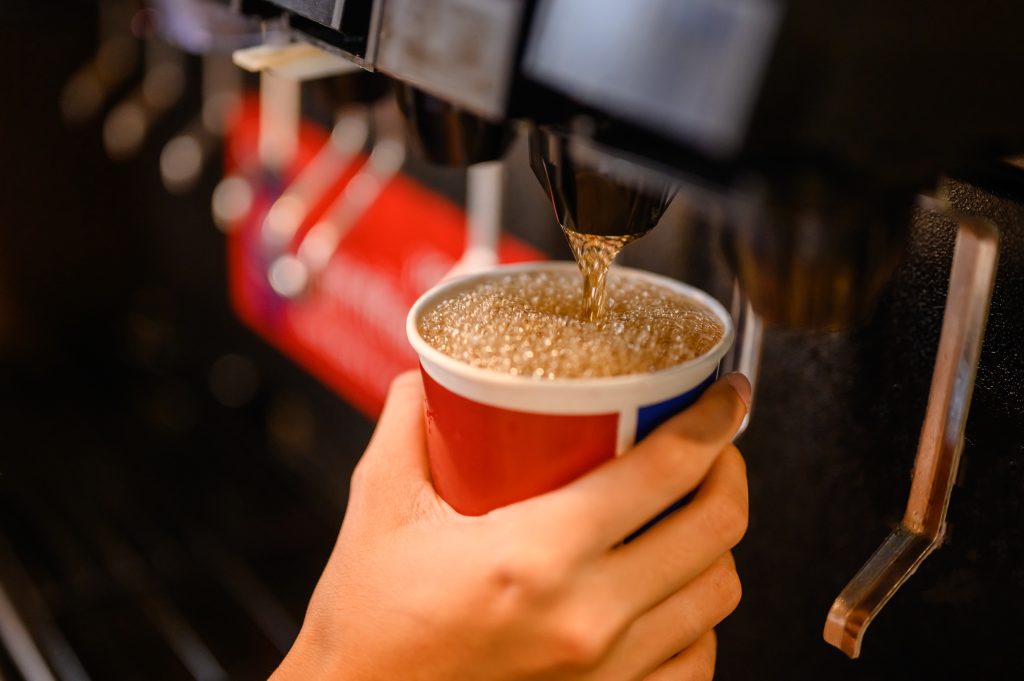
Most people picture fully-stocked combination vending machines when they think of workplace amenities—shelves of snacks on top, rows of beverages below. But beverage-only vending machines serve specific needs that combination units can’t address as effectively. For certain Central Florida businesses and locations, dedicated beverage vending represents the smarter, more profitable choice. Understanding when beverage-only machines make sense requires looking beyond conventional thinking about vending services. The right solution depends on your space constraints, employee needs, traffic patterns, and business type. Sometimes focusing exclusively on beverages creates better outcomes than trying to serve all needs with one machine. As a leading vending service provider, we help businesses determine the optimal vending configuration for their specific situations. Let’s explore when beverage-only vending makes sense and how to implement it successfully. When Beverage-Only Vending Makes Sense Several scenarios favor beverage-focused vending over combination or snack machines. Limited Physical Space Not every location has room for full-size combination vending machines. Standard units measure 72 inches tall and 38-40 inches wide, requiring significant floor space plus clearance for servicing and user access. Beverage-only machines come in slimmer configurations that fit spaces where combination units won’t. Narrow hallways, small breakrooms, and tight alcoves can accommodate beverage vending when full-size machines are impossible. For businesses in older Central Florida buildings with limited common areas, beverage-only vending provides amenities without space-consuming equipment. High Beverage Demand Locations Certain environments generate disproportionate beverage demand compared to snack consumption. Manufacturing and Warehouses: Workers in physically demanding jobs need constant hydration. They drink water, sports drinks, and energy beverages throughout shifts but consume fewer snacks during work hours. Beverage-only machines serve their primary need without wasting capacity on slower-moving snacks. Outdoor Work Sites: Construction sites, landscaping operations, and other outdoor work environments in Florida’s heat require serious hydration support. Workers prioritize cold drinks over snacks, making beverage-only vending the logical choice. Gyms and Fitness Centers: While we’ve discussed fitness vending previously, it’s worth noting that some facilities separate beverage vending from snack vending, placing beverage-focused machines directly in workout areas where hydration needs are immediate. Complementing Existing Food Services Businesses with cafeterias, kitchenettes, or nearby restaurants may not need snack vending but still want convenient beverage access. Office Buildings with Cafeterias: When employees have food options during meal periods, beverage vending fills the gap between meals and throughout the day without duplicating food availability. Hotels with Restaurants: Guest-facing beverage vending supplements restaurant services, providing quick access to cold drinks without full food vending. Schools with Meal Programs: Educational facilities serving breakfast and lunch still benefit from beverage vending between meals and after school hours. Strategic Multi-Machine Approaches Some businesses use multiple machines strategically—snack vending in breakrooms and beverage-only units in high-traffic areas. This approach puts beverages where consumption occurs (near work areas, along pathways, by entrances/exits) while keeping snacks in dedicated break spaces. It maximizes convenience and total sales by placing products where demand actually exists. Budget Constraints Beverage-only machines cost less to stock than combination units. For businesses on tight budgets or those testing whether vending will succeed, starting with beverages presents lower risk. If beverage vending proves successful, expanding to include snack machines becomes easier to justify financially. Advantages of Beverage-Only Vending Dedicated beverage machines offer specific benefits beyond just space efficiency. Greater Beverage Variety Combination machines dedicate roughly 40% of space to beverages. Beverage-only units allocate 100% of capacity to drinks, enabling much wider selection. Instead of eight beverage choices, you can offer 20-30 different options including multiple water brands, various sports drinks, several energy drink flavors, coffee beverages, teas, juices, and sodas. This variety satisfies diverse preferences that combination machines can’t accommodate. Better Temperature Control Beverage-only machines optimize refrigeration for liquids exclusively. They maintain more consistent temperatures than combination units managing both refrigerated and ambient products. In Florida’s climate where maintaining proper beverage temperature is crucial, dedicated refrigeration performs more reliably and efficiently. Higher Turnover Rates Beverages generally sell faster than snacks. Dedicated beverage machines require more frequent restocking but generate higher revenue per square foot of floor space. This faster turnover means fresher products, more engaged service from vending providers, and better return on the space investment. Simpler Maintenance Without snack delivery mechanisms that jam or complex product arrangements, beverage-only machines have fewer mechanical failure points. This translates to better uptime and fewer service calls. The simplified design also means faster restocking—providers can service beverage machines more quickly than combination units. Lower Spoilage Risk Beverages have longer shelf lives than many snacks. Reduced spoilage concerns mean less waste and fewer situations where expired products create negative impressions. Optimal Product Selection for Beverage-Only Machines With entire machines dedicated to beverages, thoughtful product selection becomes even more important. Water Options Stock multiple water choices—standard purified water, spring water, alkaline water, and flavored sparkling water. Water represents 20-30% of beverage vending sales in many locations, so variety matters. Offer different sizes too. Individual bottles for single servings and larger bottles (1-liter) for employees wanting more hydration or to refill throughout the day. Energy and Performance Drinks Include mainstream energy drinks (Red Bull, Monster) alongside fitness-focused options (Bang, Celsius, Reign). Zero-sugar varieties appeal to health-conscious consumers. Sports drinks like Gatorade and Powerade serve workers in physical jobs or fitness environments. Coffee and Tea Ready-to-drink coffee beverages capture the large coffee-drinking demographic. Cold brew, iced lattes, and bottled coffee options serve various preferences. Iced teas—both sweet and unsweetened—appeal to the significant tea-drinking population, particularly in the South. Juice and Healthier Options Orange juice, apple juice, and juice blends provide alternatives for employees avoiding caffeine or preferring fruit-based drinks. Coconut water, kombucha, and functional beverages appeal to health-conscious consumers seeking beneficial ingredients beyond basic hydration. Traditional Sodas Despite health trends, regular and diet sodas remain popular. Include major brands (Coca-Cola, Pepsi) and regional favorites. The key is balancing traditional sodas with healthier options rather than eliminating them entirely. Seasonal Adjustments Florida’s year-round warmth means cold beverages always sell, but seasonal preferences exist. Hot chocolate and warm apple cider sell during December holidays
Energy Drinks vs. Coffee: What Your Employees Really Want
The mid-afternoon energy slump is a workplace reality. Around 2 PM, productivity dips as employees fight fatigue and declining focus. The solution? Caffeine. But the great debate in workplace vending circles revolves around delivery method—are your Central Florida employees reaching for energy drinks or coffee? This isn’t just an academic question. The balance between energy drinks and coffee in your office vending machines significantly impacts employee satisfaction, usage rates, and vending revenue. Stock too much of one and not enough of the other, and you’ll have frustrated employees and wasted inventory. Get the balance right, and your vending program becomes a valued workplace amenity that supports productivity throughout the day. As a trusted vending machine company in Central Florida, we’ve analyzed purchasing patterns across hundreds of workplaces and discovered some surprising insights about caffeine preferences. Let’s explore what employees really want and how to optimize your vending selection. The Case for Coffee Coffee remains America’s favorite caffeine source for good reasons that extend beyond simple habit. Familiarity and Routine For many employees, coffee isn’t just about caffeine—it’s a comforting ritual. Morning coffee signals the start of the workday. Afternoon coffee provides a mental break and reset. This psychological component makes coffee a consistent seller regardless of competing options. The ritual aspect means coffee drinkers are loyal and predictable. They’ll purchase daily, sometimes multiple times, creating reliable vending revenue. Perceived Health Benefits Coffee has enjoyed favorable press regarding health benefits. Studies linking moderate coffee consumption to reduced disease risks, antioxidant content, and metabolic benefits make employees feel good about their coffee habits. Compared to sugar-loaded energy drinks, black coffee or coffee with minimal additions feels like a healthier choice to health-conscious employees. Cost-Effectiveness Bottled coffee beverages typically cost less per serving than premium energy drinks. Budget-conscious employees appreciate getting their caffeine fix without premium pricing. Cold brew, iced coffee, and ready-to-drink coffee options provide variety at accessible price points. Versatility Coffee appeals across demographics. Older employees who’ve been drinking coffee for decades, younger professionals following specialty coffee trends, and everyone in between finds coffee approachable and satisfying. The variety of coffee products—cold brew, nitro coffee, espresso drinks, flavored options—allows vending to serve diverse preferences within the coffee category alone. Lower Sugar Content Many ready-to-drink coffee products contain minimal sugar compared to energy drinks. For employees monitoring sugar intake or following low-carb diets, coffee aligns better with their nutritional goals. Even sweetened coffee beverages generally contain less sugar than comparable energy drinks, making them the lesser evil for employees who want both caffeine and flavor. The Case for Energy Drinks Despite coffee’s dominance, energy drinks have carved out significant market share for compelling reasons. Higher Caffeine Content Energy drinks deliver more caffeine per serving than most coffee products. A typical 16-ounce energy drink contains 150-300mg of caffeine compared to 150-200mg in a similar-sized coffee beverage. For employees needing maximum alertness—night shift workers, those facing tight deadlines, or anyone fighting serious fatigue—energy drinks provide stronger effects. Additional Ingredients Beyond caffeine, energy drinks include B vitamins, taurine, guarana, and other ingredients marketed for enhanced energy and focus. Whether these additions provide meaningful benefits is debatable, but consumers believe they do, influencing purchasing decisions. Flavor Variety Energy drinks offer explosive flavor options—tropical punch, sour apple, berry blast, and dozens more. This variety appeals to employees who find coffee boring or don’t enjoy coffee flavor. The frequent introduction of new flavors and limited editions creates excitement and trial purchases that plain coffee doesn’t generate. Youth Appeal Younger employees disproportionately prefer energy drinks over coffee. Millennials and Gen Z workers grew up with energy drinks as normal beverage options and often choose them over traditional coffee. For workplaces with younger demographics—tech companies, startups, retail environments—energy drink demand may exceed coffee. Convenience and Portability Energy drinks come in grab-and-go cans requiring no preparation. Coffee beverages, while also ready to drink, sometimes require refrigeration after opening. The sealed can format of energy drinks offers ultimate convenience. Performance Association Energy drinks market themselves around performance, athletics, and peak achievement. Employees want to feel energized and productive, and energy drinks promise exactly that. The branding and marketing create psychological associations that make employees believe energy drinks will help them power through challenging tasks. What the Data Shows Sales data from Central Florida workplaces reveals interesting patterns about actual employee preferences. Coffee Dominates Morning Hours Before 10 AM, coffee outsells energy drinks roughly 3:1. Morning caffeine needs are overwhelmingly satisfied with coffee as employees start their day with familiar routines. Energy Drinks Peak in Afternoon Between 2-4 PM, energy drink sales spike dramatically. The afternoon slump drives employees toward stronger caffeine hits, and many choose energy drinks for this purpose. Age Correlates with Preference Workplaces with average employee ages above 40 see coffee outselling energy drinks 2:1 or higher. Younger workplaces (average age under 35) show nearly equal consumption of both categories. Industry Matters Creative agencies, tech companies, and fast-paced environments show higher energy drink consumption. Traditional office settings, healthcare facilities, and government workplaces lean heavily toward coffee. Seasonal Variations Summer months see increased energy drink sales, while coffee sales remain relatively stable year-round. Cold, sweet energy drinks appeal more in Florida’s heat, while coffee’s comfort appeal works in any weather. Optimal Stocking Strategies Rather than choosing between coffee and energy drinks, smart vending service providers stock both in proportions matching your specific workplace. The 60/40 Starting Point For general office environments without strong demographic skews, begin with 60% coffee products and 40% energy drinks. This ratio serves the coffee majority while ensuring energy drink fans find options. Adjust Based on Data Monitor sales data for 2-3 months, then adjust ratios based on actual consumption. If energy drinks consistently sell out while coffee selections linger, shift the balance. Variety Within Categories Don’t just stock one type of each. Offer cold brew, iced coffee, and specialty coffee drinks within the coffee category. Include multiple energy drink brands (Red Bull, Monster, Bang, Celsius) and flavors. Consider Zero-Sugar Options Both categories now offer extensive
Modern Vending Machines vs. Traditional Models: What’s Changed in 2026
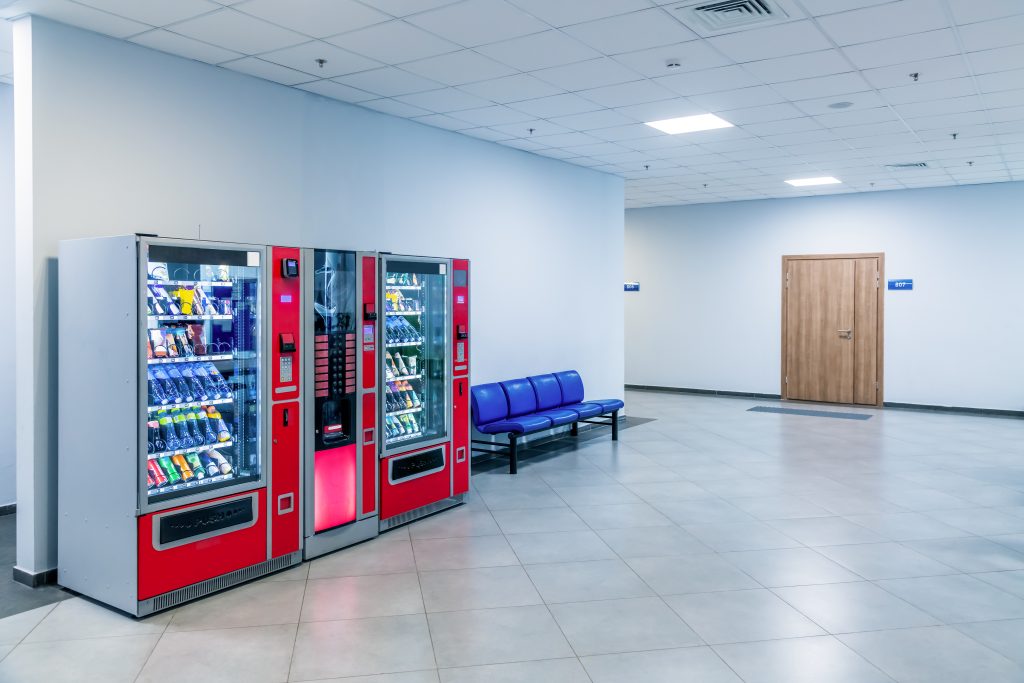
The vending machines of 2026 bear little resemblance to their predecessors from even five years ago. While the basic concept remains the same—convenient access to snacks and beverages—the technology, user experience, and operational capabilities have evolved dramatically. For Central Florida business owners considering vending services or evaluating upgrades, understanding these differences is crucial to making informed decisions. As a trusted vending machine company in Central Florida, we’ve witnessed this transformation firsthand. The gap between modern and traditional machines isn’t just about newer features—it’s about fundamentally different approaches to convenience, efficiency, and user satisfaction. Let’s explore what’s changed and why it matters for your workplace. Payment Technology: The Most Visible Difference The most immediately noticeable difference between modern and traditional vending machines is how customers pay. Traditional Payment Methods Traditional vending machines relied exclusively on cash—bills and coins. Users fumbled for exact change, dealt with crumpled bills rejected by picky acceptors, and experienced the frustration of coin returns jamming. Bill validators frequently malfunctioned, and coin mechanisms required constant maintenance. For businesses, cash-only machines meant regular cash collection, counting, and bank deposits. This created security concerns, administrative burdens, and opportunities for discrepancies. Employees without cash simply couldn’t use the machines, resulting in lost sales. Modern Cashless Solutions Today’s modern machines accept virtually every payment method imaginable. Credit and debit cards with EMV chip technology provide secure transactions. Mobile wallets like Apple Pay, Google Pay, and Samsung Pay enable tap-to-pay convenience. Some systems even support QR codes and dedicated vending apps. The impact on sales is significant. Studies show cashless-enabled machines generate 30-50% higher revenue because customers aren’t limited by the cash in their wallets. Transactions complete in seconds—no fumbling for change, no rejected bills, no frustration. For vending machine services providers, cashless systems eliminate cash handling entirely while providing detailed digital transaction records. User Interface and Experience How users interact with vending machines has transformed dramatically. Traditional Interfaces Traditional machines featured simple button panels or mechanical knobs. Users pressed physical buttons corresponding to product codes (A1, B3, etc.), hoping they selected correctly. There was no product information beyond what appeared on packaging, no ability to check prices before committing, and no feedback if selections were unavailable. The experience was purely transactional and sometimes frustrating—especially when products got stuck or selections were out of stock after payment. Modern Touchscreen Technology Modern machines feature vibrant touchscreen displays that revolutionize the user experience. High-resolution screens show product images, detailed nutritional information, ingredients, and allergen warnings. Users can browse inventory, compare options, and make informed choices before purchasing. Touchscreens enable dynamic content including promotional videos, health tips, and even entertainment while transactions process. They can display multiple languages, accommodate accessibility features, and provide intuitive navigation that anyone can understand immediately. When products are unavailable, modern systems clearly indicate this before payment, preventing the frustration of paying for items that won’t dispense. Inventory Management and Monitoring Behind-the-scenes operational capabilities represent perhaps the most significant advancement in modern vending technology. Traditional Inventory Tracking Traditional machines operated as “black boxes.” Operators couldn’t know what had sold until they physically opened machines to restock. This led to inefficient routes, overstocking slow-moving items, and understocking popular products. Machines often sat half-empty while popular items sold out quickly. Route planning was based on schedules rather than actual needs, resulting in unnecessary trips to well-stocked machines while others ran empty. Real-Time IoT Monitoring Modern machines equipped with Internet of Things (IoT) technology transmit real-time data about inventory levels, sales patterns, and machine performance. Operators receive instant alerts when popular items run low, when machines malfunction, or when refrigeration temperatures drift outside safe ranges. This connectivity enables predictive restocking based on actual consumption patterns rather than guesswork. Routes can be optimized dynamically, ensuring machines get serviced when needed rather than on arbitrary schedules. The result is better-stocked machines, reduced waste, and more efficient operations. For businesses, this means employees consistently find their preferred products in stock, and issues get resolved before they impact user experience. Product Capacity and Flexibility Modern machines offer greater versatility in what they can vend. Traditional Machine Limitations Traditional vending machines had fixed configurations with limited flexibility. Spiral coils accommodated only certain package sizes and shapes. Refrigerated sections couldn’t be easily adjusted, and machines couldn’t handle diverse product types in a single unit. Product variety was constrained by mechanical limitations, resulting in repetitive selections dominated by a few standard brands. Modern Flexible Configurations Today’s machines feature adjustable shelving, variable temperature zones, and flexible delivery mechanisms that accommodate diverse products. A single modern machine can vend everything from bottled beverages to fresh sandwiches, from protein bars to fruit cups, all stored at appropriate temperatures. Some advanced systems include combination units with separate sections for snacks, cold beverages, and frozen items—essentially three machines in one footprint. This versatility allows office breakroom vending to offer significantly more variety without requiring additional floor space. Energy Efficiency and Sustainability Environmental considerations have driven significant improvements in vending machine technology. Traditional Energy Consumption Older vending machines were notorious energy consumers. Inefficient compressors ran continuously, poor insulation wasted cooling capacity, and outdated lighting consumed excessive electricity. A traditional refrigerated vending machine could cost $300-500 annually in electricity—a significant expense in Florida’s climate where machines work harder to maintain cool temperatures. Modern Energy-Saving Features Modern machines incorporate LED lighting (using 75% less energy than traditional bulbs), high-efficiency compressors with variable speed technology, improved insulation reducing cooling loads, and smart power management that adjusts operation based on ambient conditions and usage patterns. Energy Star certified machines can reduce electricity consumption by 40-50% compared to traditional models, lowering operating costs and supporting corporate sustainability goals. In Florida’s heat, these efficiency gains are particularly valuable. Reliability and Diagnostics Machine reliability has improved substantially through better engineering and predictive maintenance capabilities. Traditional Reactive Maintenance Traditional machines broke down unpredictably. Problems went unnoticed until users reported them or operators discovered issues during routine service. By then, machines had often been non-functional for days, resulting in lost revenue and frustrated employees. Diagnostics required