
Modern Vending Machines vs. Traditional Models: What’s Changed in 2026
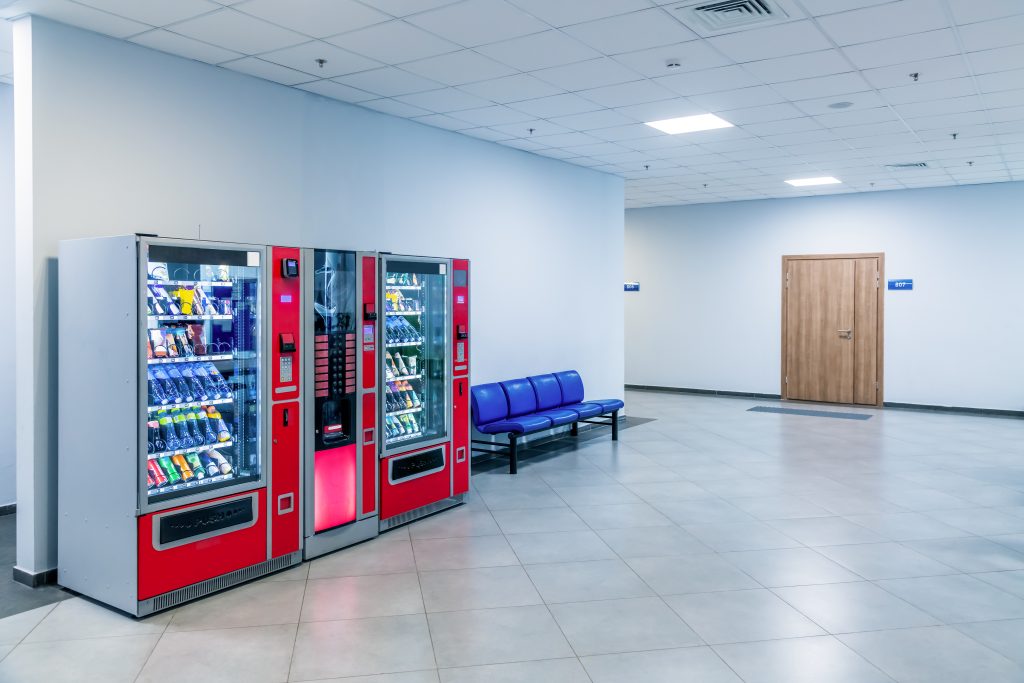
The vending machines of 2026 bear little resemblance to their predecessors from even five years ago. While the basic concept remains the same—convenient access to snacks and beverages—the technology, user experience, and operational capabilities have evolved dramatically. For Central Florida business owners considering vending services or evaluating upgrades, understanding these differences is crucial to making informed decisions. As a trusted vending machine company in Central Florida, we’ve witnessed this transformation firsthand. The gap between modern and traditional machines isn’t just about newer features—it’s about fundamentally different approaches to convenience, efficiency, and user satisfaction. Let’s explore what’s changed and why it matters for your workplace. Payment Technology: The Most Visible Difference The most immediately noticeable difference between modern and traditional vending machines is how customers pay. Traditional Payment Methods Traditional vending machines relied exclusively on cash—bills and coins. Users fumbled for exact change, dealt with crumpled bills rejected by picky acceptors, and experienced the frustration of coin returns jamming. Bill validators frequently malfunctioned, and coin mechanisms required constant maintenance. For businesses, cash-only machines meant regular cash collection, counting, and bank deposits. This created security concerns, administrative burdens, and opportunities for discrepancies. Employees without cash simply couldn’t use the machines, resulting in lost sales. Modern Cashless Solutions Today’s modern machines accept virtually every payment method imaginable. Credit and debit cards with EMV chip technology provide secure transactions. Mobile wallets like Apple Pay, Google Pay, and Samsung Pay enable tap-to-pay convenience. Some systems even support QR codes and dedicated vending apps. The impact on sales is significant. Studies show cashless-enabled machines generate 30-50% higher revenue because customers aren’t limited by the cash in their wallets. Transactions complete in seconds—no fumbling for change, no rejected bills, no frustration. For vending machine services providers, cashless systems eliminate cash handling entirely while providing detailed digital transaction records. User Interface and Experience How users interact with vending machines has transformed dramatically. Traditional Interfaces Traditional machines featured simple button panels or mechanical knobs. Users pressed physical buttons corresponding to product codes (A1, B3, etc.), hoping they selected correctly. There was no product information beyond what appeared on packaging, no ability to check prices before committing, and no feedback if selections were unavailable. The experience was purely transactional and sometimes frustrating—especially when products got stuck or selections were out of stock after payment. Modern Touchscreen Technology Modern machines feature vibrant touchscreen displays that revolutionize the user experience. High-resolution screens show product images, detailed nutritional information, ingredients, and allergen warnings. Users can browse inventory, compare options, and make informed choices before purchasing. Touchscreens enable dynamic content including promotional videos, health tips, and even entertainment while transactions process. They can display multiple languages, accommodate accessibility features, and provide intuitive navigation that anyone can understand immediately. When products are unavailable, modern systems clearly indicate this before payment, preventing the frustration of paying for items that won’t dispense. Inventory Management and Monitoring Behind-the-scenes operational capabilities represent perhaps the most significant advancement in modern vending technology. Traditional Inventory Tracking Traditional machines operated as “black boxes.” Operators couldn’t know what had sold until they physically opened machines to restock. This led to inefficient routes, overstocking slow-moving items, and understocking popular products. Machines often sat half-empty while popular items sold out quickly. Route planning was based on schedules rather than actual needs, resulting in unnecessary trips to well-stocked machines while others ran empty. Real-Time IoT Monitoring Modern machines equipped with Internet of Things (IoT) technology transmit real-time data about inventory levels, sales patterns, and machine performance. Operators receive instant alerts when popular items run low, when machines malfunction, or when refrigeration temperatures drift outside safe ranges. This connectivity enables predictive restocking based on actual consumption patterns rather than guesswork. Routes can be optimized dynamically, ensuring machines get serviced when needed rather than on arbitrary schedules. The result is better-stocked machines, reduced waste, and more efficient operations. For businesses, this means employees consistently find their preferred products in stock, and issues get resolved before they impact user experience. Product Capacity and Flexibility Modern machines offer greater versatility in what they can vend. Traditional Machine Limitations Traditional vending machines had fixed configurations with limited flexibility. Spiral coils accommodated only certain package sizes and shapes. Refrigerated sections couldn’t be easily adjusted, and machines couldn’t handle diverse product types in a single unit. Product variety was constrained by mechanical limitations, resulting in repetitive selections dominated by a few standard brands. Modern Flexible Configurations Today’s machines feature adjustable shelving, variable temperature zones, and flexible delivery mechanisms that accommodate diverse products. A single modern machine can vend everything from bottled beverages to fresh sandwiches, from protein bars to fruit cups, all stored at appropriate temperatures. Some advanced systems include combination units with separate sections for snacks, cold beverages, and frozen items—essentially three machines in one footprint. This versatility allows office breakroom vending to offer significantly more variety without requiring additional floor space. Energy Efficiency and Sustainability Environmental considerations have driven significant improvements in vending machine technology. Traditional Energy Consumption Older vending machines were notorious energy consumers. Inefficient compressors ran continuously, poor insulation wasted cooling capacity, and outdated lighting consumed excessive electricity. A traditional refrigerated vending machine could cost $300-500 annually in electricity—a significant expense in Florida’s climate where machines work harder to maintain cool temperatures. Modern Energy-Saving Features Modern machines incorporate LED lighting (using 75% less energy than traditional bulbs), high-efficiency compressors with variable speed technology, improved insulation reducing cooling loads, and smart power management that adjusts operation based on ambient conditions and usage patterns. Energy Star certified machines can reduce electricity consumption by 40-50% compared to traditional models, lowering operating costs and supporting corporate sustainability goals. In Florida’s heat, these efficiency gains are particularly valuable. Reliability and Diagnostics Machine reliability has improved substantially through better engineering and predictive maintenance capabilities. Traditional Reactive Maintenance Traditional machines broke down unpredictably. Problems went unnoticed until users reported them or operators discovered issues during routine service. By then, machines had often been non-functional for days, resulting in lost revenue and frustrated employees. Diagnostics required