The Business Owner’s Guide to Vending Service Agreements in Florida
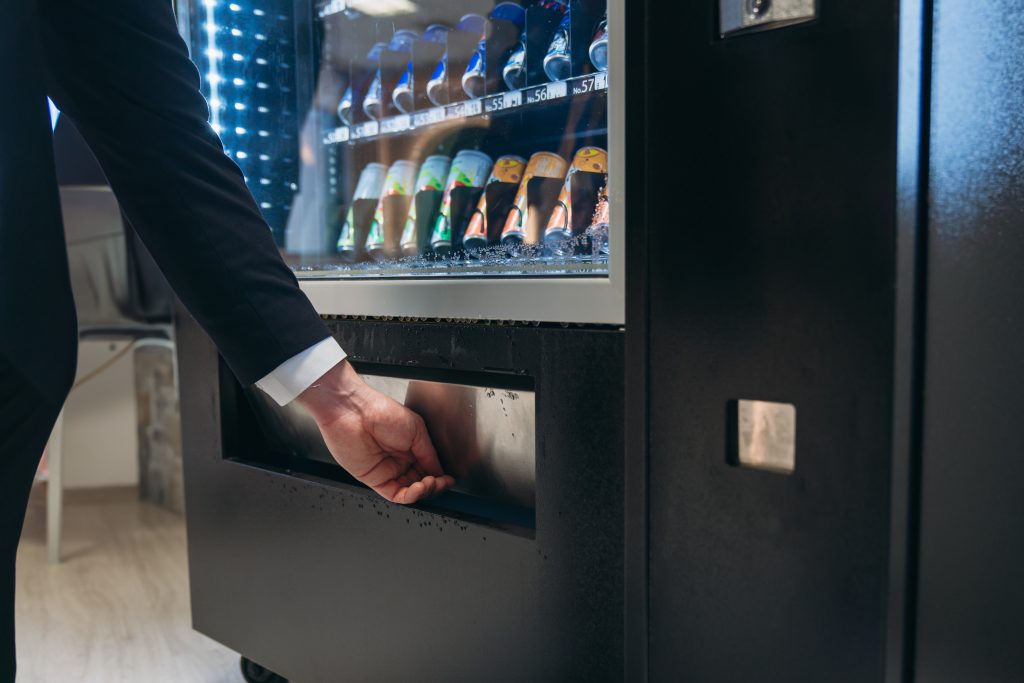
Signing a vending service agreement affects your workplace amenities and employee satisfaction for years to come. Yet many Florida business owners approach these contracts without fully understanding the terms, obligations, and options available. The result? Being locked into agreements that don’t serve their needs or missing out on benefits they could have negotiated. Understanding the landscape of vending service agreements empowers you to make informed decisions that benefit your business and employees. As a reliable vending machine provider serving Central Florida, we believe transparency in contract terms builds better partnerships and leads to more successful long-term relationships. Types of Vending Service Agreements Free Placement (Commission-Based) Agreements This is the most common model for businesses with adequate employee counts. The vending company owns the machines, installs them at no cost, maintains all equipment, manages inventory, and handles repairs. You provide only the space and electrical power. Sales revenue is split between your business and the provider, with commission rates typically ranging from 10-30% depending on sales volume, location desirability, and negotiation. You invest nothing upfront and bear no costs for equipment, maintenance, or repairs. Best For: Businesses with 30+ employees wanting amenities without capital expenditure or management responsibility. Full-Service Lease Agreements You rent machines from the provider while they handle maintenance and service. You pay monthly or annual lease fees for equipment and typically purchase inventory directly from the provider, giving you more control over product selection and pricing. All sales revenue belongs to your business. Best For: High-volume locations where sales revenue significantly exceeds lease costs, or businesses wanting maximum control over pricing and products. Equipment Purchase Agreements You purchase vending machines outright and contract separately for service and maintenance. This provides maximum long-term value if you plan to operate vending indefinitely, with complete control over pricing, product selection, and operational policies. Best For: Large organizations with long-term facility commitments wanting to build asset value. Key Contract Terms to Understand Contract Length and Renewal Most vending agreements run 1-5 years. Watch for auto-renewal clauses that automatically extend contracts unless you provide written notice within specific timeframes (often 30-90 days before expiration). Understand early termination conditions and any associated fees. Service Standards and Guarantees Establish minimum restocking frequencies (weekly, bi-weekly, or based on inventory levels) and repair response times. Look for specific timeframes like 24-48 hours for standard repairs and same-day service for emergency issues like refrigeration failure. Some contracts guarantee 95%+ uptime, providing recourse when equipment consistently fails. Commission and Payment Structures For free placement agreements, understand exactly how commissions are calculated—based on gross sales, net sales after taxes, or net profit. Payment frequency (monthly is standard) and minimum sales thresholds significantly impact financial outcomes. Ensure you have audit rights to verify reported sales. Equipment and Maintenance Responsibilities Contracts should clearly define what machines will be installed and their features. Modern office vending machines should include cashless payment and touchscreen interfaces. In free placement agreements, providers should cover all repair costs and routine maintenance. Red Flags in Vending Agreements Be cautious of contracts with extremely long lock-in periods (over five years), vague performance standards, no termination-for-cause provisions, hidden fees, or automatic rate increases without your consent. All costs and terms should be transparent before signing. Restrictive product requirements forcing you to purchase exclusively from the provider at inflated prices can significantly increase costs. Changes to terms should require mutual agreement or at least advance notice with termination options. Negotiating Better Terms Vending service agreements are negotiable. Don’t assume initial proposals represent final terms. Leverage your position based on employee count, location desirability, and commitment to multiple machines. Key negotiation points include commission rates (often improvable by 5-10 percentage points), service frequency, equipment upgrades to modern machines, product approval rights, and performance guarantees with specific uptime commitments and response time guarantees. Florida-Specific Considerations Florida’s climate demands equipment rated for continuous operation in heat and humidity. Contracts should specify machines include appropriate cooling capacity and humidity-resistant components. Address responsibility for equipment during hurricanes and tropical storms, and ensure agreements accommodate seasonal demand fluctuations common in tourism and education sectors. For hospitality and healthcare facilities, confirm equipment complies with all applicable health codes and regulations. Questions to Ask Before Signing Before committing to any agreement, ask providers: Reputable providers welcome these questions and provide clear, confident answers. Evasive responses suggest potential problems. Making the Right Decision Choosing vending service agreements isn’t just about finding the lowest cost or highest commission—it’s about identifying partnerships that serve your business and employees well. Consider whether maximizing revenue, service reliability, product quality, or employee satisfaction is most important to you. Take time to understand contract terms, ask questions, negotiate where appropriate, and don’t rush into commitments. Quality vending providers want partners who understand and value what they offer. Frequently Asked Questions Can I negotiate vending service agreements, or are terms fixed? Nearly everything in vending service agreements is negotiable, including commission rates, service frequencies, equipment types, contract lengths, and termination provisions. Providers expect negotiation and build flexibility into initial proposals. Never assume the first offer represents final terms. What employee count is needed for free placement agreements? Most providers require 30-50+ employees for free placement, though exact thresholds vary by provider and location desirability. Smaller businesses may need to consider purchase or lease arrangements unless they have exceptionally high foot traffic from visitors or customers. How do I know if commission rates being offered are fair? Fair rates depend on employee count, location, and sales volume potential. Typical rates range from 10-30% for businesses, with higher rates for premium locations. Request quotes from multiple providers to compare offers. Be wary of unusually high rates that may indicate higher pricing reducing sales volume. What happens to existing contracts if my business is sold or relocated? Most agreements include provisions for business changes. Some contracts transfer to new owners, while others allow termination. For relocations, providers may move equipment if the new location remains serviceable. Review these scenarios during initial negotiations and ensure contract language addresses situations relevant
On-Demand Vending Machine Repairs: Why Response Time Matters in Central Florida
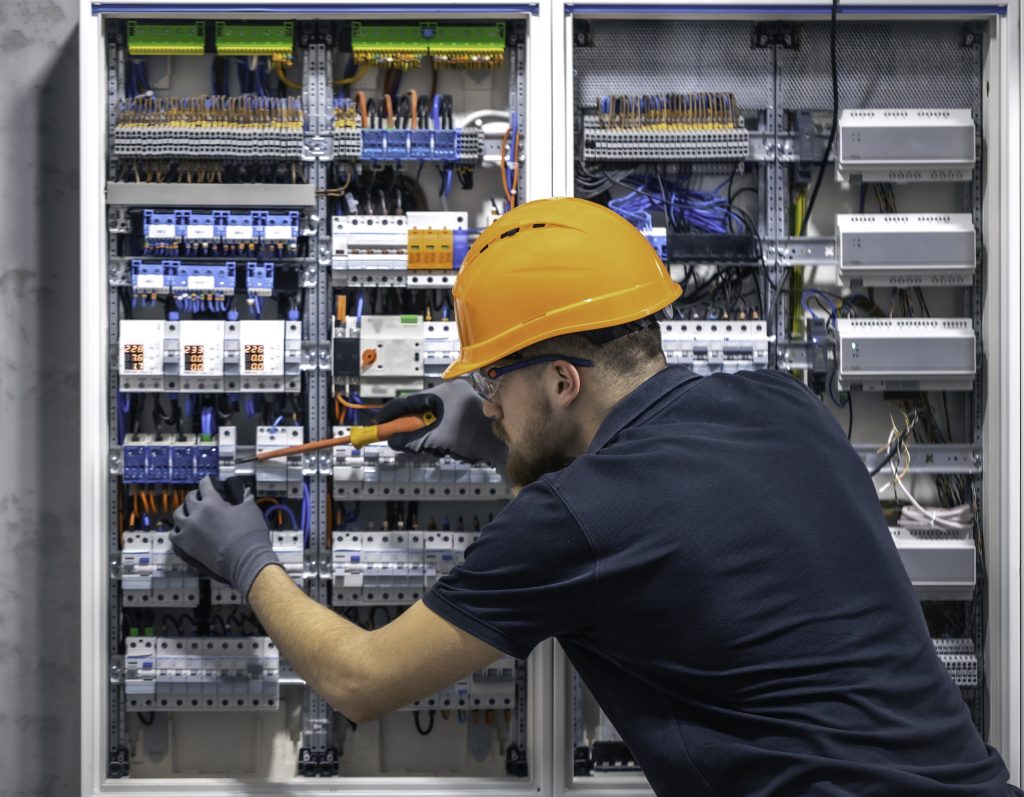
A malfunctioning vending machine might seem like a minor inconvenience, but for Central Florida businesses, every hour of downtime translates to lost revenue, frustrated employees, and diminished workplace satisfaction. When your breakroom vending machine stops working at 9 AM on a Monday morning, how quickly can you get it fixed? The answer to that question can significantly impact your bottom line and employee morale. In Florida’s competitive business environment, where companies vie for top talent and prioritize employee experience, even small amenities matter. A broken vending machine doesn’t just mean no snacks—it signals that workplace conveniences aren’t a priority. That’s why on-demand repair services with rapid response times have become essential for businesses across Orlando, Tampa, Jacksonville, and throughout Central Florida. The True Cost of Vending Machine Downtime When a vending machine breaks down, the costs extend far beyond the obvious loss of sales revenue. Let’s examine the real impact on your business. Lost Revenue Per Hour A typical office vending machine generates between $50-150 per day depending on location and employee count. That translates to roughly $6-18 per hour during business hours. For high-traffic locations like hotel lobbies or hospital waiting areas, these numbers can be significantly higher. A machine down for 24 hours could mean $150-400 in lost sales. For businesses operating on profit-sharing arrangements with vending providers, this lost revenue directly affects your income. Even with free vending services, downtime means employees go without convenient access to food and beverages, which impacts productivity. Employee Frustration and Time Waste When the breakroom vending machine isn’t working, employees face a choice: go without, bring items from home (which requires planning ahead), or leave the premises to purchase snacks and drinks. The last option is particularly costly. Consider this scenario: An employee walks to the vending machine during their break, finds it broken, and decides to drive to a nearby convenience store instead. What should have been a five-minute break now becomes 20-30 minutes when you factor in walking to the car, driving, parking, shopping, and returning. Multiply this across multiple employees over several days, and you’re looking at significant productivity losses. Damage to Company Culture Workplace amenities communicate how much a company values its employees. A consistently broken vending machine—especially when repairs take days or weeks—sends the message that employee convenience isn’t a priority. In contrast, rapid repairs demonstrate that management pays attention to the details that make the workday more pleasant. In competitive job markets like Central Florida’s growing tech and healthcare sectors, these seemingly small factors influence employee satisfaction and retention. Why Response Time Is Critical in Florida Central Florida’s unique business environment makes rapid repair response particularly important. Climate Considerations Florida’s heat and humidity create challenging conditions for vending machine components. Cooling systems work harder in our climate, and temperature fluctuations from air-conditioned buildings to hot loading docks stress mechanical systems. When a cooling unit fails, perishable items spoil quickly—not in days, but in hours. A refrigerated vending machine losing cooling at 2 PM on a summer afternoon in Orlando could have completely spoiled inventory by closing time. Fast response prevents total inventory loss and the health risks associated with spoiled food products. Tourism and Hospitality Demands Central Florida’s tourism industry operates 24/7. Hotels, resorts, and entertainment venues can’t afford extended vending machine downtime when guests expect round-the-clock amenities. A broken vending machine in a hotel means guests leave poor reviews, and in the hospitality industry, reputation is everything. Manufacturing and Warehouse Operations Many Central Florida businesses operate multiple shifts or 24-hour operations. For night shift workers, vending machines aren’t just convenient—they’re often the only food access during working hours. A broken machine at 11 PM doesn’t just cause inconvenience; it means workers go without food for their entire shift. What On-Demand Repair Service Really Means Not all vending machine repair services are created equal. True on-demand service includes several critical components. Same-Day Response When you report a problem, a qualified technician should respond the same business day. For critical issues affecting refrigeration or complete machine failure, response times should be measured in hours, not days. This rapid response prevents the cascading problems that come with extended downtime. Diagnostic Expertise Experienced technicians can quickly diagnose issues, often identifying problems over the phone and arriving with necessary parts. This expertise eliminates multiple service visits for the same issue—a common frustration with less experienced providers. Comprehensive Parts Inventory On-demand service requires technicians to stock commonly needed replacement parts. Bill acceptors, coin mechanisms, refrigeration components, and electronic controls should be readily available, not special-ordered with week-long lead times. After-Hours Availability For businesses operating outside standard hours, evening and weekend repair availability is essential. A machine that breaks on Friday afternoon shouldn’t remain broken until Monday morning. Common Vending Machine Problems in Central Florida Understanding typical failure points helps businesses recognize when to call for repairs versus when issues resolve themselves. Payment System Failures Bill acceptors and card readers are the most common failure points. Bills get jammed, card readers stop communicating with payment processors, or touchscreens become unresponsive. These issues account for roughly 40% of service calls and usually require professional repair. Refrigeration Issues Florida’s climate stresses cooling systems continuously. Compressor failures, refrigerant leaks, and thermostat malfunctions are common. These are urgent repairs because spoilage happens quickly. Product Dispensing Problems Products get stuck, delivery mechanisms jam, or motors fail. While these don’t pose food safety risks like refrigeration failures, they’re extremely frustrating for users and damage the machine’s reputation in your facility. Display and Interface Issues Modern vending machines feature digital displays and touchscreen interfaces that can malfunction. Dead pixels, unresponsive screens, or software glitches may seem minor but significantly impact user experience. Choosing a Repair Provider with Fast Response Times When evaluating vending service providers, response time should be a primary consideration. Ask About Average Response Time Reputable providers can tell you their average response time for emergency service calls. If they’re vague or promise “as soon as possible” without specific timeframes, that’s a red flag. Inquire
What to Expect During Your First Vending Machine Installation
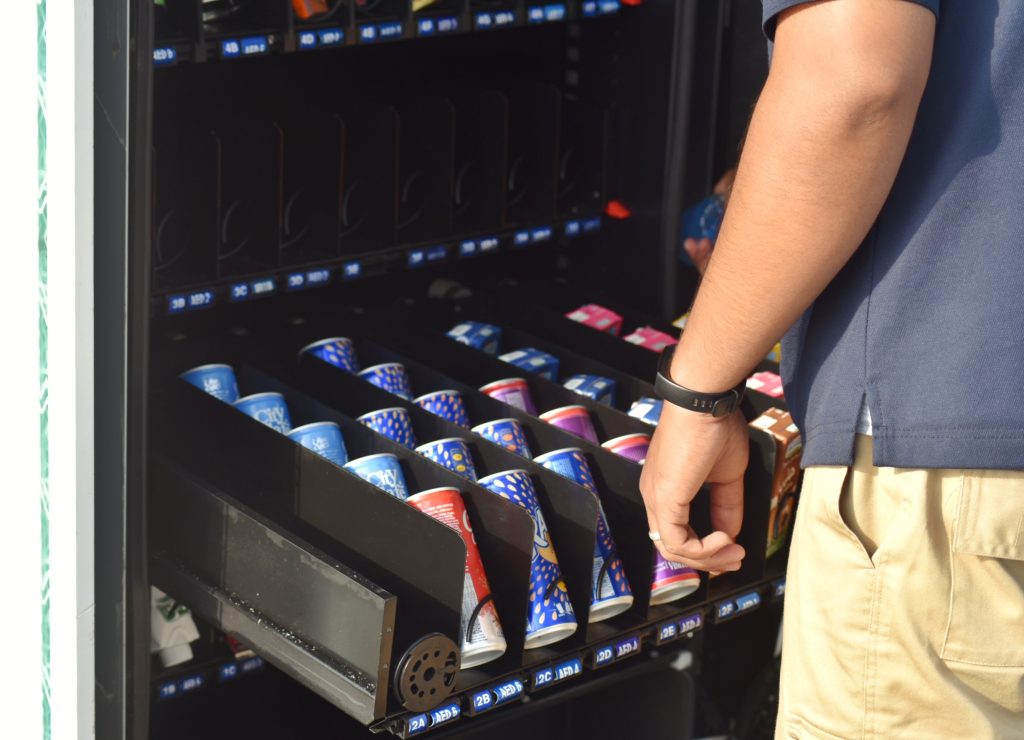
Adding a vending machine to your Central Florida workplace is an exciting upgrade that demonstrates your commitment to employee convenience and satisfaction. Whether you’re installing machines in a new office building, warehouse, hotel, or school, understanding the installation process helps ensure everything goes smoothly from initial consultation to the first successful transaction. Many business owners and facility managers feel uncertain about what vending machine installation actually involves. Will it disrupt daily operations? How long does it take? What preparation is needed? This comprehensive guide walks you through every step of the process, so you know exactly what to expect when bringing vending services to your facility for the first time. Before Installation: The Consultation Phase The installation process actually begins weeks before any equipment arrives at your facility. This planning phase is crucial for ensuring the right machines are placed in optimal locations. Site Assessment A reputable vending service provider will visit your facility to assess the space and understand your specific needs. During this walkthrough, they’ll evaluate several factors that influence machine selection and placement. Space Measurements: The provider measures available floor space, ceiling height, and doorway dimensions. Standard vending machines are typically 72 inches tall and 38-40 inches wide, but they need additional clearance for servicing and user access. Most installations require at least 48 inches of clearance in front of the machine. Electrical Requirements: Vending machines need dedicated electrical outlets. The assessment identifies whether existing outlets are appropriately located and whether electrical upgrades are necessary. Most modern machines require standard 110-120V outlets, but some larger combination units may have different requirements. Traffic Flow Analysis: Where do employees naturally congregate? What are the high-traffic pathways? Proper placement means machines are convenient without obstructing movement or creating bottlenecks. Environmental Conditions: Florida’s climate requires special attention to ambient temperature and humidity. Machines placed in non-climate-controlled areas or near loading docks face different challenges than those in fully air-conditioned breakrooms. Needs Assessment Beyond physical space, providers assess your organization’s specific requirements. Employee Count and Shifts: A facility with 50 employees on a single day shift has different needs than one with 200 employees across three shifts. Understanding your workforce helps determine machine capacity and product selection. Demographic Preferences: Office professionals may prefer healthier options and premium coffee, while manufacturing workers might want heartier snacks and energy drinks. Hotels need to consider guest preferences alongside staff needs. Budget and Service Model: Are you interested in a free placement program where the provider owns and maintains machines, or do you prefer to purchase equipment? Understanding your budget shapes the proposal. Custom Proposal After the assessment, you’ll receive a detailed proposal outlining recommended machines, placement locations, product selections, and service terms. This is your opportunity to ask questions, request modifications, and ensure the plan aligns with your vision. Pre-Installation Preparation Once you’ve accepted the proposal, there are several steps to complete before installation day. Site Preparation Clear the Area: Ensure the designated installation locations are completely clear. Remove any furniture, storage items, or obstacles from the installation zone and the path from the entrance to the installation site. Electrical Work: If your facility requires new outlets or electrical upgrades, schedule this work before the installation date. Most vending providers don’t perform electrical work themselves—you’ll need a licensed electrician to complete necessary modifications. Communicate with Staff: Inform employees about the upcoming installation, including the expected date, any areas that will be temporarily off-limits, and when they can begin using the new amenities. Access Arrangements: If installation occurs outside business hours or in secured areas, arrange appropriate access for the installation team. This might include providing key cards, security codes, or coordinating with building management. Documentation and Agreements Before installation, you’ll complete necessary paperwork including service agreements, payment arrangements if applicable, and any required insurance or liability documents. Review these carefully and ask about anything you don’t understand. Installation Day: What Actually Happens Understanding the installation process helps you know what to expect and how long it will take. Timeline Expectations For a standard single-vending machine installation, expect the process to take 2-4 hours from arrival to completion. Multiple machines or complex installations (like micro market setups) may require a full day or more. The installation team typically arrives with: The Installation Process Step-by-Step 1. Delivery and Positioning (30-60 minutes) The team carefully moves machines into your facility using professional equipment. Modern vending machines weigh 600-900 pounds when empty, so this requires specialized moving dollies and experienced handlers. They position machines in the pre-determined locations, ensuring proper spacing from walls for ventilation and service access. Machines must sit level—even slight tilts can cause dispensing problems—so the team uses leveling feet to achieve perfect horizontal positioning. 2. Electrical Connection (10-15 minutes) Once positioned, machines are plugged into designated outlets. The team verifies that outlets provide proper voltage and that circuits can handle the load without tripping breakers. Refrigerated machines draw significant power when their compressors run, especially in Florida’s heat. 3. Initial System Testing (15-30 minutes) Before stocking any products, technicians perform comprehensive system checks: Any issues discovered during testing are addressed immediately. 4. Product Stocking (45-90 minutes) This is when your vending machine truly comes to life. The installation team carefully stocks products according to the agreed-upon plan. Each product has a designated location, and experienced stockers know how to arrange items for optimal visibility and accessibility. For refrigerated machines, products are arranged to promote proper air circulation. Temperature-sensitive items go in the coldest zones. The team ensures all products are fresh, properly dated, and displayed attractively. 5. Final Testing with Products (15-20 minutes) After stocking, the team conducts test purchases to verify that every selection dispenses correctly. They test multiple payment methods—cash, card, mobile—to ensure all systems work properly under real-world conditions. 6. Training and Walkthrough (15-30 minutes) Before leaving, the installation team provides training for your designated staff members or facility managers. This includes: You’ll receive contact information for service requests, technical support, and routine questions. After Installation: The First Few Weeks The
Hotel Guest Amenities: Elevating the Experience with Quality Vending
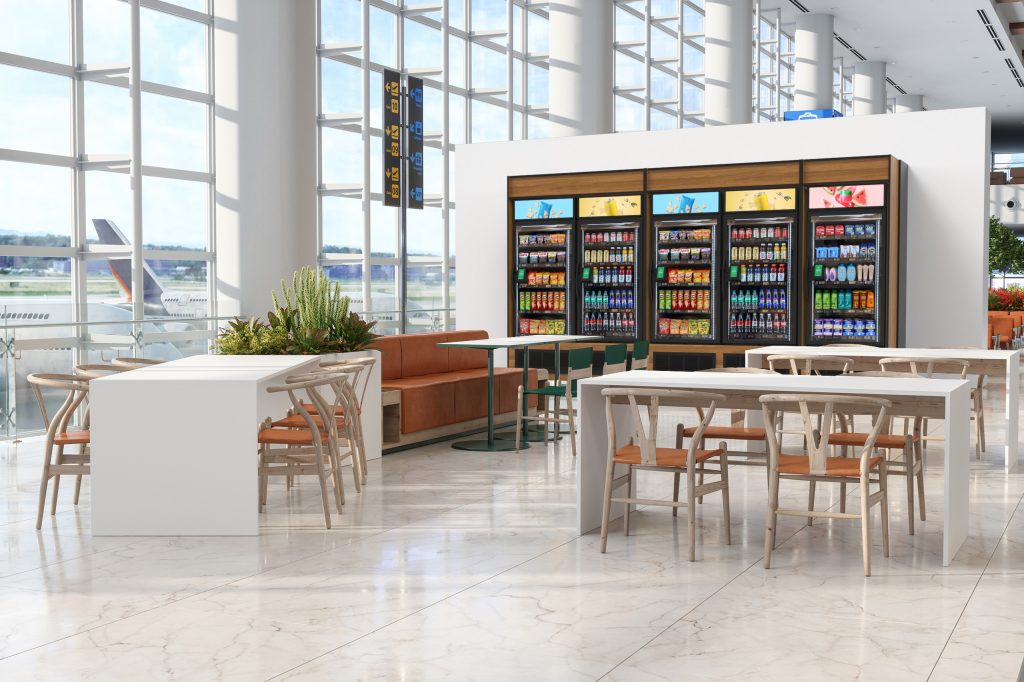
In Central Florida’s competitive hospitality industry, every detail matters. From the moment guests check in until they depart, their experience is shaped by countless touchpoints—and increasingly, one of those critical touchpoints is the quality and accessibility of vending services. While world-class customer service and comfortable rooms remain paramount, the availability of convenient, well-stocked vending machines can be the difference between a good review and a great one. Florida’s tourism economy thrives on exceptional guest experiences. Hotels in Orlando, Tampa, and throughout the region compete not just on location and price, but on the complete guest journey. Modern travelers expect 24/7 access to snacks, beverages, and convenience items without leaving the property. When these expectations aren’t met, it shows up in online reviews and guest satisfaction scores. Working with a professional vending service company in Central Florida ensures your hotel provides the caliber of amenities that today’s guests expect. Let’s explore how quality vending solutions elevate the hospitality experience and contribute to your hotel’s success. Why Vending Matters in the Hospitality Industry Vending machines might seem like a minor amenity compared to pools, fitness centers, and restaurants, but they serve crucial functions that directly impact guest satisfaction. 24/7 Convenience for Guests Hotel guests operate on varied schedules. Business travelers arriving on late flights, families with children who want bedtime snacks, early-rising guests preparing for morning meetings—all need access to refreshments outside typical restaurant hours. Even hotels with on-site dining rarely offer food service around the clock. The gap between restaurant closing at 10 PM and reopening at 6 AM leaves guests with limited options. Quality vending machines fill this gap perfectly, ensuring guests never go without access to what they need. Meeting Diverse Guest Needs Today’s hotel guests have incredibly diverse preferences and requirements. Some seek healthy options, others want comfort foods, parents need juice boxes for children, and business travelers require caffeine at odd hours. A well-curated vending machine selection accommodates this diversity in ways that fixed restaurant menus cannot. Revenue Generation Beyond guest satisfaction, vending represents a revenue stream that requires minimal staff intervention. Machines generate income 24/7 without labor costs, making them highly profitable amenities. For hotels with free-placement vending agreements, this becomes essentially passive income with zero capital investment. Competitive Differentiation In a market where hotels compete intensely for bookings, amenities matter. Guests comparing similar properties increasingly evaluate the completeness of on-site conveniences. Modern, well-maintained vending with quality products signals that your hotel pays attention to details and prioritizes guest comfort. What Modern Hotel Guests Expect Guest expectations have evolved significantly, driven by experiences at higher-end properties and changing consumer preferences overall. Cashless Payment Options Today’s travelers rarely carry significant cash. They expect to pay with credit cards, debit cards, or mobile wallets like Apple Pay and Google Pay. Vending machines that only accept cash frustrate modern guests and result in lost sales. A guest who discovers a cash-only vending machine faces an annoying dilemma: go without, visit the front desk to exchange bills for coins (poor use of staff time), or leave the property to find an ATM or convenience store (terrible guest experience). Cashless-enabled machines eliminate this friction entirely. Quality Product Selection Gone are the days when guests accepted stale snacks and off-brand sodas in hotel vending machines. Modern travelers expect recognizable brands, fresh products, and options that align with contemporary preferences—including healthy alternatives, dietary-specific items, and premium choices. Machine Aesthetics and Maintenance Vending machines are now part of your hotel’s overall aesthetic. Outdated, dirty, or poorly maintained machines reflect poorly on your property. Guests notice peeling labels, clouded glass, burnt-out lights, and broken components. These maintenance issues suggest neglect that colors their perception of the entire hotel. Strategic Placement Guests expect vending machines to be conveniently located—typically near elevators, in lobby areas, or adjacent to ice machines. Placing machines in hard-to-find basement locations or requiring guests to navigate confusing hallways creates frustration that impacts satisfaction scores. Optimal Vending Solutions for Hotels Different hotel types and guest profiles require customized vending approaches. Lobby Vending High-visibility lobby vending serves both guests and visitors. These machines should feature premium aesthetics that complement your lobby décor. Product selection should be broad and appeal to diverse guests—from healthy snacks to indulgent treats, from premium bottled water to specialty beverages. Lobby machines often generate the highest sales volume due to visibility and accessibility. They’re also the most scrutinized by guests, so maintenance and stocking must be impeccable. Floor-Level Vending Many hotels place vending machines on guest room floors, often near ice machines and elevators. These locations serve guests who don’t want to fully dress to visit the lobby or who prefer quick access from their rooms. Floor-level machines might have slightly different product mixes—more grab-and-go breakfast items, coffee, juice, and snacks that guests consume in rooms. Consider noise levels for these placements, as machines near guest rooms can cause complaints if compressors or fans are loud. Pool and Recreation Areas Poolside vending is particularly important for Florida hotels where pools are major amenities used year-round. Guests in swimwear appreciate not needing to return to rooms or lobby to purchase cold beverages, ice cream, or snacks. These machines should emphasize cold beverages, frozen treats, and kid-friendly options. Waterproof and humidity-resistant features are essential given the environment. Conference and Meeting Spaces Hotels with significant meeting facilities benefit from vending near conference rooms. Business guests attending day-long meetings or training sessions need coffee, energy drinks, and snacks without leaving the meeting area. These machines should focus on business-appropriate options—bottled water, coffee, tea, protein bars, nuts, and energy-sustaining snacks rather than messy or casual items. Product Selection Strategies Thoughtful product selection dramatically impacts guest satisfaction and vending revenue. Balancing Variety and Popularity Successful hotel vending strikes a balance between carrying enough variety to satisfy diverse guests while ensuring popular items are well-stocked. Running out of bottled water or popular sodas frustrates guests, but dedicating excessive space to slow-moving specialty items reduces revenue. Work with your vending provider to analyze sales data and optimize
Why Employees Prefer On-Site Vending Over Leaving for Snacks
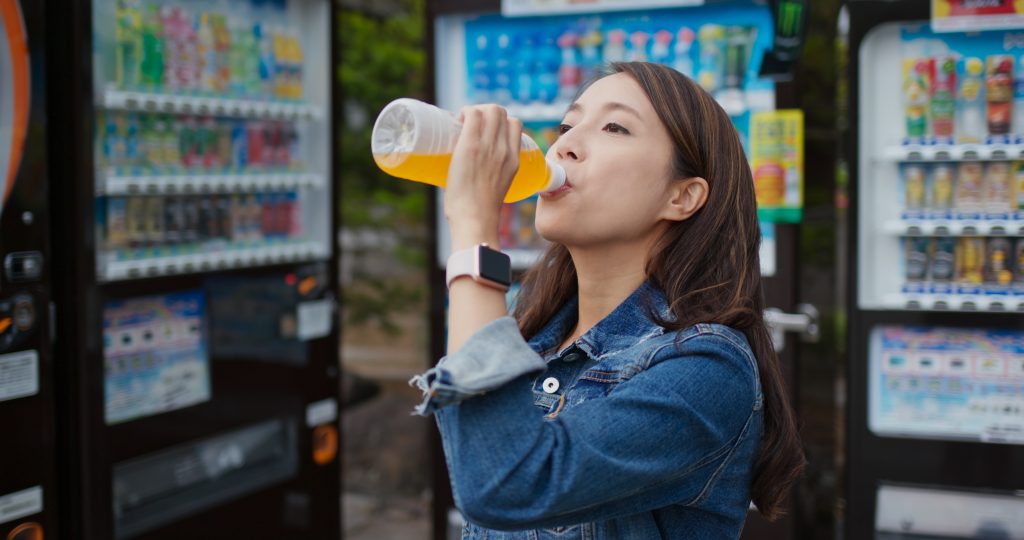
The mid-afternoon energy slump hits, and your employee needs a pick-me-up. They have two options: walk to the breakroom vending machine and be back at their desk in five minutes, or drive to the nearest convenience store, spending 20-30 minutes away from work. The choice seems obvious, yet many Central Florida businesses still underestimate how much their workforce values on-site vending access. Employee preferences have evolved dramatically over the past decade. The modern workforce prioritizes convenience, values their time, and expects workplaces to provide basic amenities that make their day easier. On-site vending isn’t just a “nice-to-have” anymore—it’s become an expected workplace feature that influences job satisfaction, productivity, and even retention. Let’s explore why employees overwhelmingly prefer on-site vending solutions over leaving the premises for snacks and beverages, and what this means for your Central Florida business. The Time Factor: Every Minute Counts Time is the most precious resource for today’s busy professionals, and on-site vending delivers unmatched time efficiency. The Real Cost of Leaving When an employee decides to leave work for snacks, the time commitment is substantial. Here’s what a typical convenience store run involves: Total time: 21-36 minutes for what should be a simple snack purchase. In Central Florida’s growing urban areas like Orlando and Tampa, traffic congestion can push this even higher during peak hours. Compare this to on-site vending: walk to the breakroom (1-2 minutes), select and purchase items (1-2 minutes), return to desk (1-2 minutes). Total time: 3-6 minutes. That’s a savings of 15-30 minutes per trip. Productivity Impact Those saved minutes translate directly to productivity. An employee who makes a quick vending machine visit stays in work mode—their mental focus remains on their tasks. Someone who leaves the building completely disengages from work, and research shows it takes an average of 23 minutes to fully regain focus after an interruption. The productivity loss isn’t just the time away—it’s the additional refocusing time upon return. On-site vending eliminates this problem entirely by keeping employees in the workplace environment where they can quickly return to productive work. Break Time Optimization Employees have limited break time, and they want to use it effectively. A 15-minute break spent driving to a store becomes purely functional—there’s no time to relax, chat with coworkers, or genuinely decompress. The same break with on-site vending allows employees to grab what they need and still have 10+ minutes to actually relax, socialize, or take a mental break that improves their afternoon performance. Convenience and Accessibility Beyond time savings, on-site vending offers practical advantages that employees genuinely appreciate. Weather Considerations Florida’s unpredictable weather makes leaving the building genuinely unpleasant at times. Sudden afternoon thunderstorms, oppressive summer heat, and high humidity mean stepping outside can be actively uncomfortable. Employees facing a choice between a hot, humid walk to their car followed by a rain-soaked convenience store run, or a comfortable indoor stroll to the breakroom consistently choose the latter. During Florida’s brutal summer months when temperatures regularly exceed 95°F with humidity making it feel like 110°F, on-site vending isn’t just convenient—it’s a relief. No Need for Cash Planning With modern cashless vending machines accepting credit cards, debit cards, and mobile payments, employees never need to worry about having cash on hand. They can make impulse purchases without the friction of ensuring they have exact change or sufficient bills. This spontaneity is important. When someone experiences a sudden craving or energy dip, immediate access matters. Realizing you need coffee but don’t have cash creates a dilemma that on-site card-enabled vending eliminates entirely. 24/7 Availability For businesses operating multiple shifts or extended hours, on-site vending provides access outside typical retail hours. The night shift employee at 2 AM can’t run to most convenience stores, but they can access the breakroom vending machine. This equity across all shifts demonstrates that the company values all employees equally, regardless of when they work. Accessibility for All Employees with mobility limitations particularly appreciate on-site vending. The ADA-compliant machines located within the workplace are far more accessible than requiring someone to navigate parking lots, store aisles, and checkout lines. This inclusivity matters to creating a workplace where everyone has equal access to basic conveniences. Financial Benefits for Employees Cost considerations influence employee preferences more than many employers realize. Competitive Pricing Office vending services typically price products competitively with nearby convenience stores, and often slightly lower since there’s no retail storefront overhead. A bag of chips that costs $2.25 at a convenience store might be $1.75-$2.00 in the office vending machine. While the difference per item seems small, employees who regularly purchase snacks and beverages save noticeably over time. Someone buying a mid-morning snack and afternoon beverage five days a week could save $5-10 weekly, or $250-500 annually. Avoiding Impulse Purchases Convenience store and fast-food runs often result in spending more than intended. An employee who went for a $2 candy bar ends up buying a drink, chips, and maybe a hot food item, spending $8-12. The focused, limited selection of vending machines helps employees stick to their intended purchase, naturally controlling spending. Fuel Savings Every trip to an off-site location consumes fuel. With gas prices fluctuating and environmental consciousness growing, eliminating unnecessary driving appeals to cost-conscious and eco-minded employees alike. The cumulative fuel savings from not making daily convenience store runs can exceed $200-300 annually for regular purchasers. Health and Wellness Considerations Modern employees are increasingly health-conscious, and on-site vending supports better choices. Healthier Options Available Today’s workplace vending isn’t limited to chips and candy. Modern vending machines stock protein bars, nuts, dried fruits, low-sugar drinks, sparkling water, and other healthier alternatives. Employees appreciate having nutritious options conveniently available that help them maintain their wellness goals. When the alternative is a convenience store stocked primarily with high-calorie processed foods and sugary drinks, the curated selection in workplace vending often provides better nutrition options. Portion Control Vending machine portions are generally single-serving sizes, which supports portion control. Convenience store purchases often involve larger “value size” packages that lead to overconsumption. The structured portioning of vending products helps employees
What Facility Managers Should Look for in a Central Florida Vending Partner
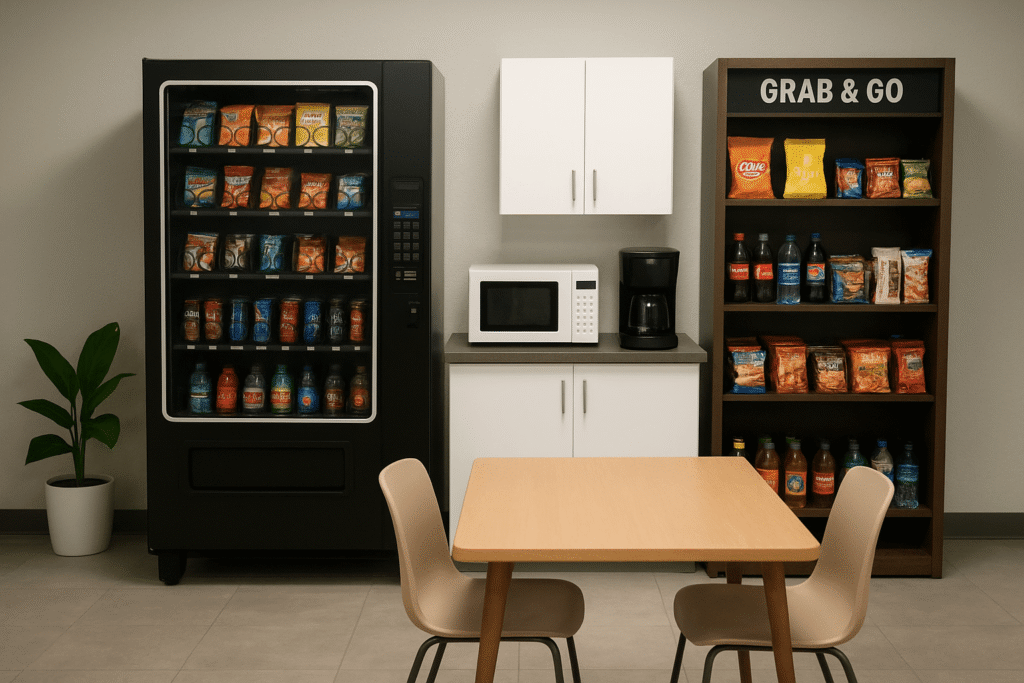
Facility managers handle the behind-the-scenes responsibilities that keep buildings running efficiently, safely, and comfortably. From maintenance to vendor coordination to employee satisfaction, the job requires juggling countless moving parts. One area that can either ease the workload—or add unnecessary stress—is the breakroom vending service. Choosing the right vending partner affects everything from employee morale to machine reliability to how often your team has to troubleshoot problems. If you’re a facility manager in Central Florida, here are the key qualities you should look for in a vending provider to ensure smooth operations and a headache-free breakroom. Reliable Restocking and Inventory Management The last thing a facility manager needs is employees complaining about empty machines or expired products. A dependable vending partner should restock consistently, monitor popular items, and adjust product selections to match usage. A strong provider will offer: The goal is simple: a breakroom that stays stocked without you having to check on it. Fast, Local Service and Maintenance When machines jam, malfunction, or need cleaning, the issue usually lands on the facility manager’s desk. A vending partner that doesn’t respond quickly can disrupt your day and frustrate employees. A great Central Florida vending company should: The more proactive they are, the fewer interruptions you deal with. Modern, Cashless Vending Machines Old machines cause problems—coin jams, bill reader failures, unreliable buttons, and more. A modern vending partner should offer up-to-date equipment that works smoothly and gives employees a seamless experience. Look for vending machines with: These upgrades reduce user frustration and lower the number of complaints facility managers receive. Customizable Product Selections Every workplace is different. Office settings may want healthier snacks, while warehouses or manufacturing facilities often prefer heartier options and cold beverages. A vending partner should be willing to tailor snack and drink selections to your team, not just drop in a standard menu. Ideal vending partners provide: Custom selection means higher satisfaction and fewer abandoned snacks. Transparent Communication and Accountability Communication is one of the most important (and often overlooked) factors when choosing a vendor. Facility managers need clarity about restocking schedules, issue resolution, and service expectations. Your vending partner should offer: When the vendor communicates well, it eliminates guesswork and keeps your breakroom running smoothly. No-Cost Installation and Zero Hidden Fees Many vending companies charge for delivery, setup, or servicing. A reliable Central Florida vendor should install, maintain, and restock machines at no cost to your facility. A truly professional vending service will offer: This reduces your operating expenses and removes barriers to better breakroom service. Local Expertise and a Personal Touch Large national vending companies often take a one-size-fits-all approach. A local partner understands the needs of Central Florida workplaces, responds quickly, and provides service with a personal touch. Working with a local provider like A&M Vending Corp means: Local service creates a smoother experience for facility managers and employees alike. Choose a Vending Partner That Makes Your Job Easier A great vending partner doesn’t just deliver snacks—they support your facility, reduce your workload, and improve the daily experience for everyone in the building. When your machines stay stocked, your employees stay happy, and your operations stay stress-free, you can focus on the bigger priorities that matter most. A&M Vending Corp offers free machine installation, customized product selections, modern cashless technology, reliable restocking, and fast local service across Central Florida. If you’re a facility manager looking for a vending partner that actually makes your job easier, contact A&M Vending Corp today to get started.
Why Switching Vending Providers Is Easier Than You Think

Many businesses hesitate to change vending providers because they fear the process will be disruptive, complicated, or time-consuming. But the truth is, switching to a better vending partner is far easier than most facility managers, HR teams, and business owners expect. When your current provider is inconsistent, slow, or unresponsive, staying with them ends up being far more stressful than making a switch. A vending partner should make your breakroom experience smoother—not create headaches. If you’ve been settling for empty machines, outdated equipment, or lackluster service, here’s why upgrading to a reliable vendor like A&M Vending Corp is a simple, seamless transition. Your New Vendor Handles Almost Everything for You One of the biggest misconceptions is that the business has to handle all the logistics when switching vendors. In reality, a good vending company manages nearly every step of the process. A&M Vending Corp takes care of: You don’t have to coordinate multiple vendors or worry about technical details. We handle the entire process so you experience a smooth upgrade with minimal effort. No Downtime in Your Breakroom Many companies worry that switching vending providers will leave employees without snacks or drinks for days. With a well-planned transition, that never happens. A&M Vending Corp ensures: Employees maintain access to refreshments without interruption, making the switch practically invisible to your team—except for the improved service. No Cost to Your Business Another common concern is the cost of switching. But with a modern vending provider, equipment installation, setup, and maintenance are all free. A&M Vending Corp offers: Switching vendors isn’t just easy—it’s cost-free. Your Product Selection Gets Better Instantly If your current vending provider isn’t paying attention to what employees actually want, switching vendors lets you refresh and improve your breakroom offerings. With A&M Vending Corp, you get: A new provider means a more satisfying breakroom experience from day one. Fast Response Times and Personalized Service Many businesses switch because they’re frustrated with slow service requests, empty shelves, or outdated machines. When you work with a local provider, you get faster, more attentive support. A&M Vending Corp delivers: Instead of dealing with long waits or corporate red tape, you get a team that cares about your workplace and follows through. A Seamless Start With Zero Stress Switching vending providers isn’t a hassle—it’s a relief. Your new partner should make everything easy from the first call to the first restock. At A&M Vending Corp, we’ve refined our onboarding process so businesses of all sizes experience a friction-free transition. Here’s what the process looks like: It really is that simple. Ready for a Better Vending Experience? If your current vendor isn’t delivering the service your team deserves, switching may be the easiest improvement you make all year. With free installation, reliable restocking, modern equipment, and personalized support, A&M Vending Corp makes upgrading your breakroom simple and stress-free. Reach out to A&M Vending Corp today and discover how effortless switching vending providers can be.
Custom Vending Programs for Offices, Warehouses, and Schools: How A&M Tailors Solutions by Industry
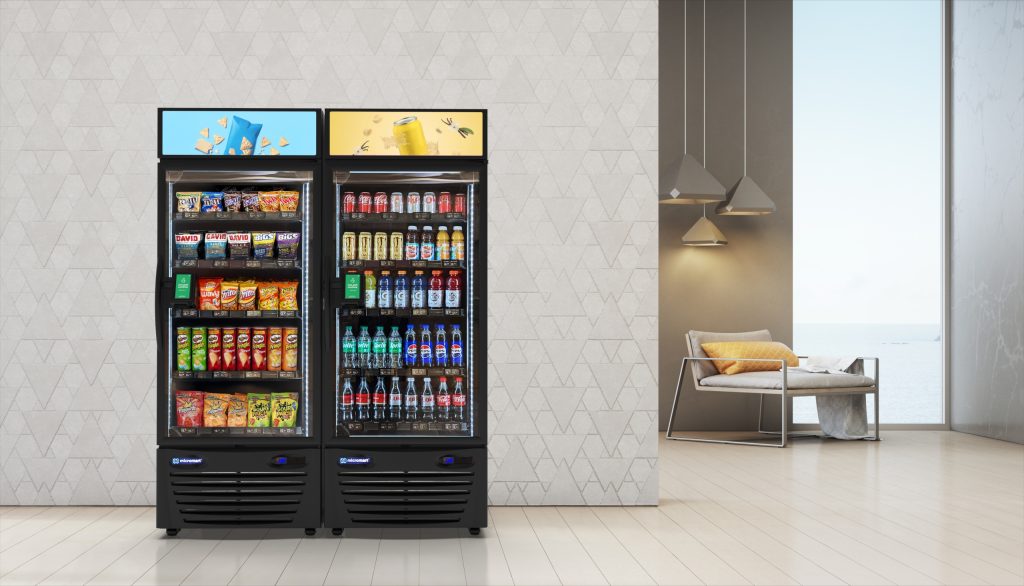
Every workplace is different. Offices need convenience and variety, warehouses require fast access to energy-boosting snacks, and schools need safe, compliant options for students and staff. That’s why a one-size-fits-all vending approach doesn’t work. To create a breakroom that truly supports the people who use it, your vending program must be tailored to the environment, schedule, and daily demands of your industry. A&M Vending Corp understands that each location has its own rhythm, budget, and culture. We take the time to learn what your team needs, then build a custom vending program that fits seamlessly into your workplace. Here’s how we design solutions specifically for offices, warehouses, and schools across Central Florida. Vending Solutions for Offices: Convenience, Variety, and a Positive Work Experience Office environments rely on steady energy and employee satisfaction. Access to great snacks and drinks isn’t just a perk—it becomes part of your workplace culture. A modern vending setup helps employees stay focused and comfortable throughout the day, reducing off-site trips and strengthening morale. A&M tailors office vending by offering: We design breakroom solutions that keep teams productive and engaged, giving your employees a reason to appreciate their workspace every day. Vending Solutions for Warehouses and Industrial Facilities: Fast, Fueling Options for High-Demand Work Warehouse teams and manufacturing workers run on tight schedules and physical energy. They need quick, reliable access to snacks and drinks that refuel them without slowing down production. A&M Vending Corp builds vending programs specifically for industrial environments by providing: We also restock warehouse locations more frequently to keep up with demand. Your team works hard—your vending service should too. Vending Solutions for Schools: Safe, Age-Appropriate Options for Students and Staff Schools need vending programs that balance convenience with responsibility. Students want variety, administrators want healthy choices, and staff members appreciate quick access to snacks and drinks during their busy schedules. A&M creates school-friendly vending programs with: Whether it’s a faculty lounge, student commons, or athletic facility, we customize vending to meet the needs of the entire school community. What Makes A&M Vending Corp Different? Personalization at Every Level Unlike national chains that rely on standardized product lists and automated schedules, A&M Vending Corp takes a hands-on approach. We customize every part of your vending program, including: Your vendor shouldn’t tell you what your workplace needs—you should decide what works best for your team. We simply make it happen. A Local Partner That Understands Central Florida Workplaces Being locally owned means we’re deeply familiar with the unique needs of Central Florida businesses, schools, and industrial teams. We’re nearby, responsive, and committed to building long-term partnerships—not just dropping off machines. With A&M Vending Corp, you get: No contracts full of surprises. No long waits for repairs. Just dependable service designed around your industry. Create a Vending Program That Fits Your Workplace Whether you run a corporate office, a busy warehouse, or a growing school, your breakroom deserves a vending solution tailored to the people who use it every day. A&M Vending Corp builds vending programs that support productivity, satisfaction, and convenience across every industry we serve. Ready to build a custom vending solution for your workplace? Contact A&M Vending Corp today and let us design a program your employees, students, and staff will love.
Questions to Ask Before Choosing a Vending Company (And How A&M Vending Answers Them)

Choosing a vending provider isn’t just about filling a machine with snacks and drinks. It’s about supporting your employees, creating a smooth breakroom experience, and partnering with a company that understands your needs. With so many vending providers—both national and local—it can be difficult to know which one will truly deliver the service, reliability, and customization your workplace deserves. Before making a decision, facility managers, operations leaders, and HR teams should ask the right questions to ensure they’re choosing a vending company that aligns with their goals. Here are the most important questions to consider, along with how A&M Vending Corp confidently answers each one. 1. Do you charge for machine installation or service? Some vending companies include hidden fees for delivery, machine setup, or ongoing maintenance. Those surprise costs can add up quickly. How A&M Vending Answers: A&M Vending Corp installs all vending machines completely free of charge. There are no setup fees, no service fees, and no maintenance fees—ever. Your business gets modern equipment at no cost. 2. How often do you restock the machines? Restocking schedules can vary widely between vending providers. Inconsistent refills lead to empty shelves, expired products, and frustrated employees. How A&M Vending Answers: We restock proactively, based on your workplace usage. Our team monitors inventory, adjusts product quantities, and makes sure your breakroom is always full. No more guessing or waiting for refills. 3. Do your machines support cashless payments? With fewer people carrying cash, vending machines need modern payment options to stay convenient. How A&M Vending Answers: All of our machines support credit cards, debit cards, and mobile payment apps, making purchases fast and hassle-free. Employees get the convenience they expect in today’s workplace. 4. What types of products can we offer our team? A good vending company should offer more than the basics. Your employees want variety—and the ability to request products they enjoy. How A&M Vending Answers: We customize snack and drink selections for every location. Want healthier choices? More cold beverages? Energy drinks? Specialty items? We tailor your vending menu based on employee preferences and your goals. 5. How quickly do you respond to service issues? Machine jams, card reader errors, or mechanical issues can negatively impact employee experience. Slow response times make things worse. How A&M Vending Answers: Because we’re a local Central Florida company, we provide fast, reliable service. If something goes wrong, our team responds quickly and resolves the issue. No waiting on a national hotline or delayed repair schedules. 6. How clean and well-maintained are your machines? A vending machine in poor condition reflects badly on your workplace. Cleanliness and reliability matter. How A&M Vending Answers: We take machine maintenance seriously. Each visit includes cleaning, product rotation, and equipment checks. Your machines will always look organized, clean, and ready to use. 7. Can you scale your service as our business grows? Growing teams may require additional machines, expanded product selections, or even micro-market upgrades. How A&M Vending Answers: Absolutely. We support workplaces of all sizes—from small offices to large manufacturing plants. As your needs grow, we can add more machines, diversify product offerings, or introduce upgraded breakroom solutions. 8. Do you offer micro-markets or advanced breakroom options? Some workplaces benefit from an upgraded breakroom setup with grab-and-go meals, snacks, and a self-checkout kiosk. How A&M Vending Answers: We offer micro-markets for businesses looking to elevate their breakroom experience. These custom-designed stations provide employees with a broader variety of fresh food, drinks, and snacks in an open, modern setup. 9. Are you a local company or a national chain? National companies often have slower response times and less personalized service. Local providers, on the other hand, understand your region and serve with more care. How A&M Vending Answers: A&M Vending Corp is locally owned and operated in Central Florida. We know the community, understand regional preferences, and prioritize fast, friendly service. Choose a Vending Partner Who Supports Your Workplace the Right Way Asking the right questions helps ensure you choose a vending provider that truly meets your needs—not just today, but as your workplace evolves. A&M Vending Corp is proud to offer hassle-free vending solutions built on convenience, dependability, and a commitment to your people. If you’re ready for a vending partner who answers every question with confidence and delivers on every promise, we’re here to help. Contact A&M Vending Corp today to learn how our vending solutions can support your breakroom and improve your workplace experience.
Why Local Vending Service Beats National Chains for Central Florida Businesses
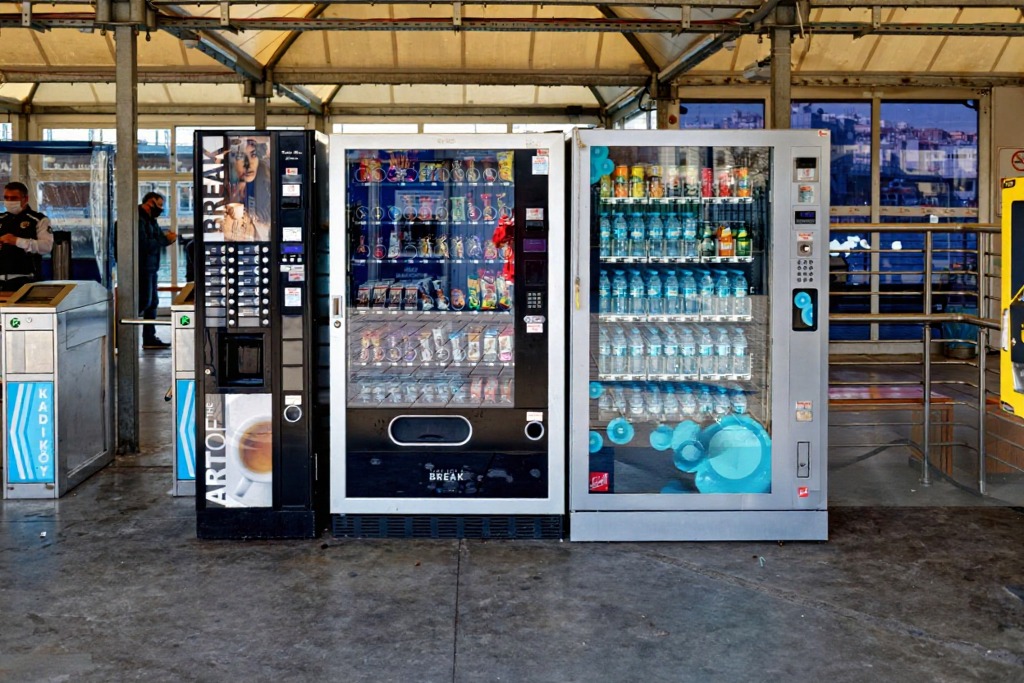
When it’s time to choose a vending provider, many businesses immediately consider national chains. On the surface, large companies may seem like the obvious choice—they’re recognizable, widespread, and heavily advertised. But for Central Florida workplaces, a local vending service often delivers far better value, faster support, and a more personalized, reliable experience. Breakrooms run smoother when your vending partner understands the needs of your region, responds quickly, and treats your business like a priority instead of a number in a long list of accounts. Here’s why choosing a local vending provider like A&M Vending Corp is often the smarter and more efficient choice. Faster Service and Real Support When You Need It With national chains, support often means calling a 1-800 number, waiting for callbacks, or dealing with slow turnaround times. Local providers offer something large corporations simply can’t match—speed. Working with a Central Florida–based vending company means: When a machine jams or stock runs low, you get immediate help from a team that’s already nearby. That kind of responsiveness keeps your breakroom running smoothly and reduces downtime for employees. Personalized Service That Fits Your Workplace National companies often use a one-size-fits-all vending model. They assign standard product lists, rigid processes, and limited customization options. Local vending providers take the opposite approach. A&M Vending Corp offers tailored solutions based on: Instead of forcing your business to adjust to generic vending programs, a local provider builds a program around you. Consistent Restocking and Quality Control One of the most common complaints with national vending chains is inconsistency. Machines go unfilled, products expire, and issues get overlooked because large companies are juggling too many accounts at once. A local vending partner prioritizes: Because local teams operate within a smaller, manageable service area, your workplace gets the attention it deserves. Better Understanding of Local Tastes and Needs Central Florida businesses have unique workplace cultures and employee preferences. A local vending company understands those differences. A&M Vending Corp knows what employees in the region actually want, including: This knowledge helps create a breakroom experience that feels relevant and enjoyable to your team. No Corporate Red Tape—Just Real Solutions National chains often have layers of corporate policy that slow down progress. Simple requests can take weeks. Local vendors operate with flexibility and agility, allowing them to adjust quickly, experiment with new products, and solve problems on the spot. Need more healthy snacks next month?Want to swap out a drink option that isn’t selling?Thinking about upgrading to a micro-market? A local provider can make it happen fast. Stronger Relationships and Accountability Local businesses take pride in serving their community. When you choose a local vending provider, you’re working with people who care about building long-term partnerships—not just filling machines. A&M Vending Corp is committed to: You’re not just another contract. You’re a local business they see, visit, and support regularly. Supporting the Local Economy Partnering with a local vending service not only benefits your breakroom but also helps strengthen your community. Your investment stays within Central Florida—supporting local jobs, local suppliers, and local growth. National chains take profits out of state. Local providers keep business right where it belongs. Choose Local. Choose Reliable. Choose A&M Vending Corp. For Central Florida businesses, a local vending provider offers real advantages—faster service, better communication, customized solutions, and a genuine commitment to your satisfaction. If you want a breakroom experience that feels personal, consistent, and stress-free, choosing local is the way to go. Contact A&M Vending Corp today and discover how a local partner can make your workplace vending experience significantly better than any national chain.